
Last updated November 2, 2026
 Wrought iron
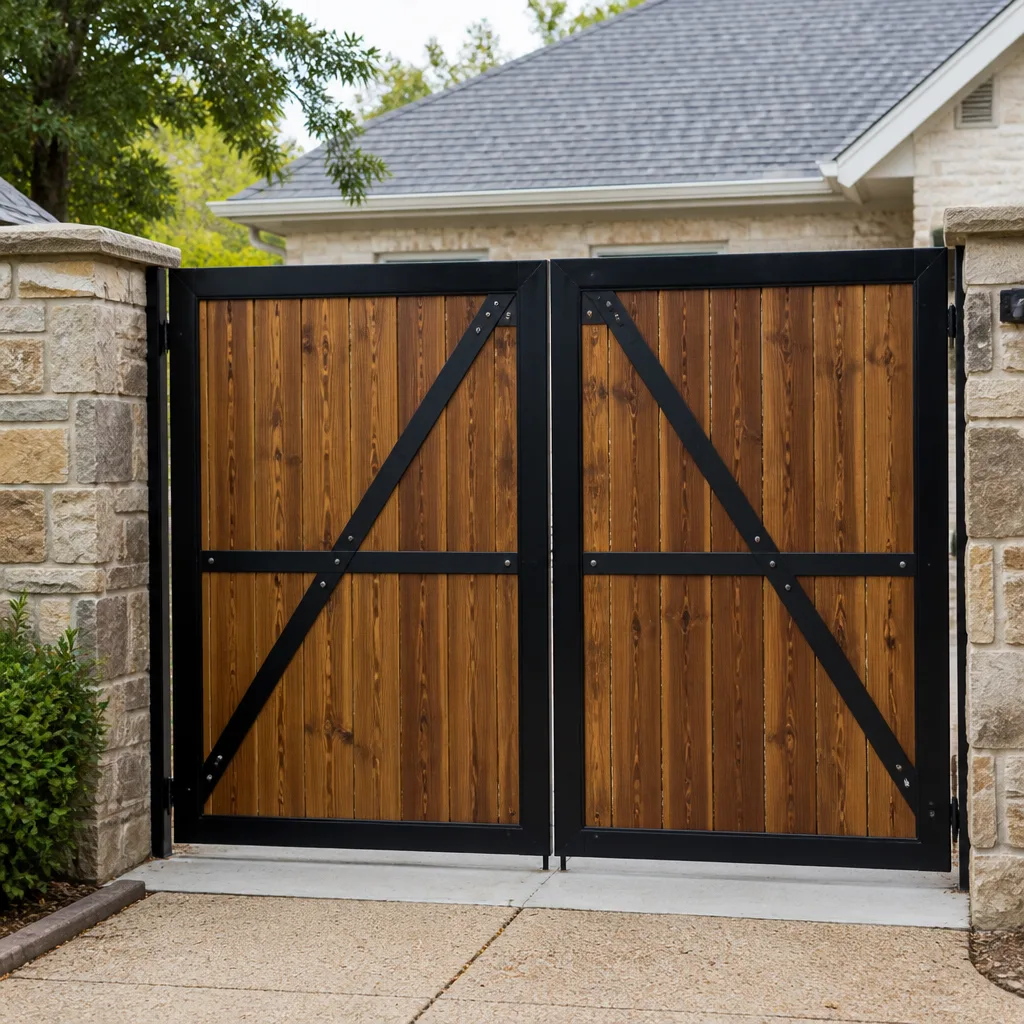 Wood & steel frame
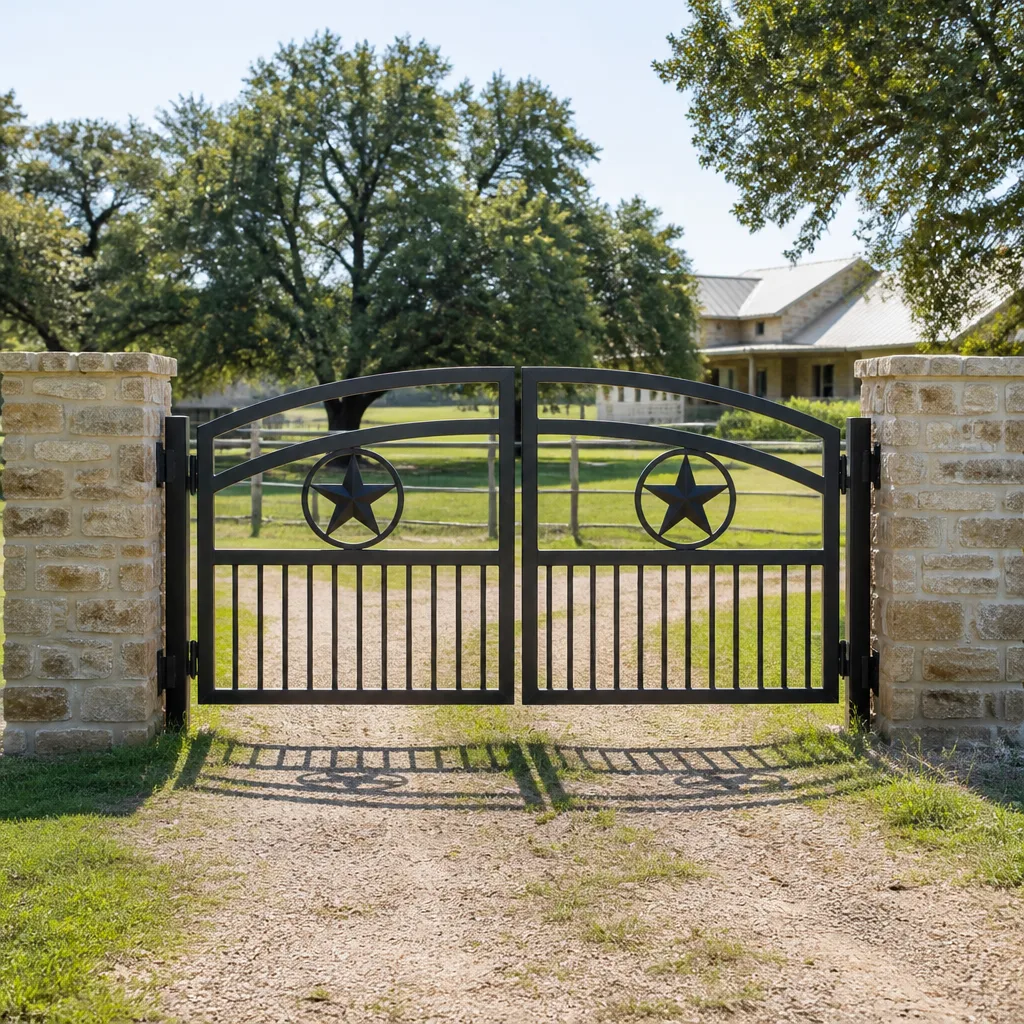 Farm & ranch
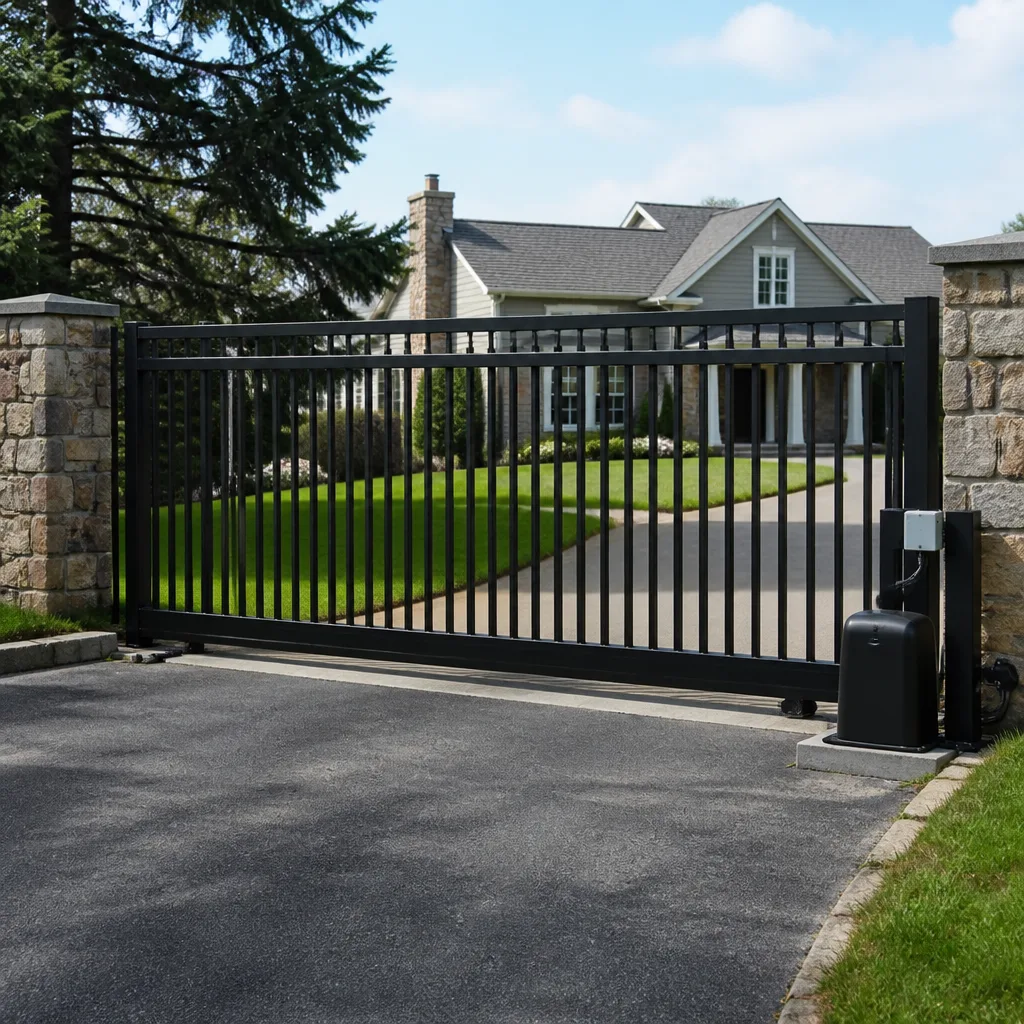 Sliding driveway gates
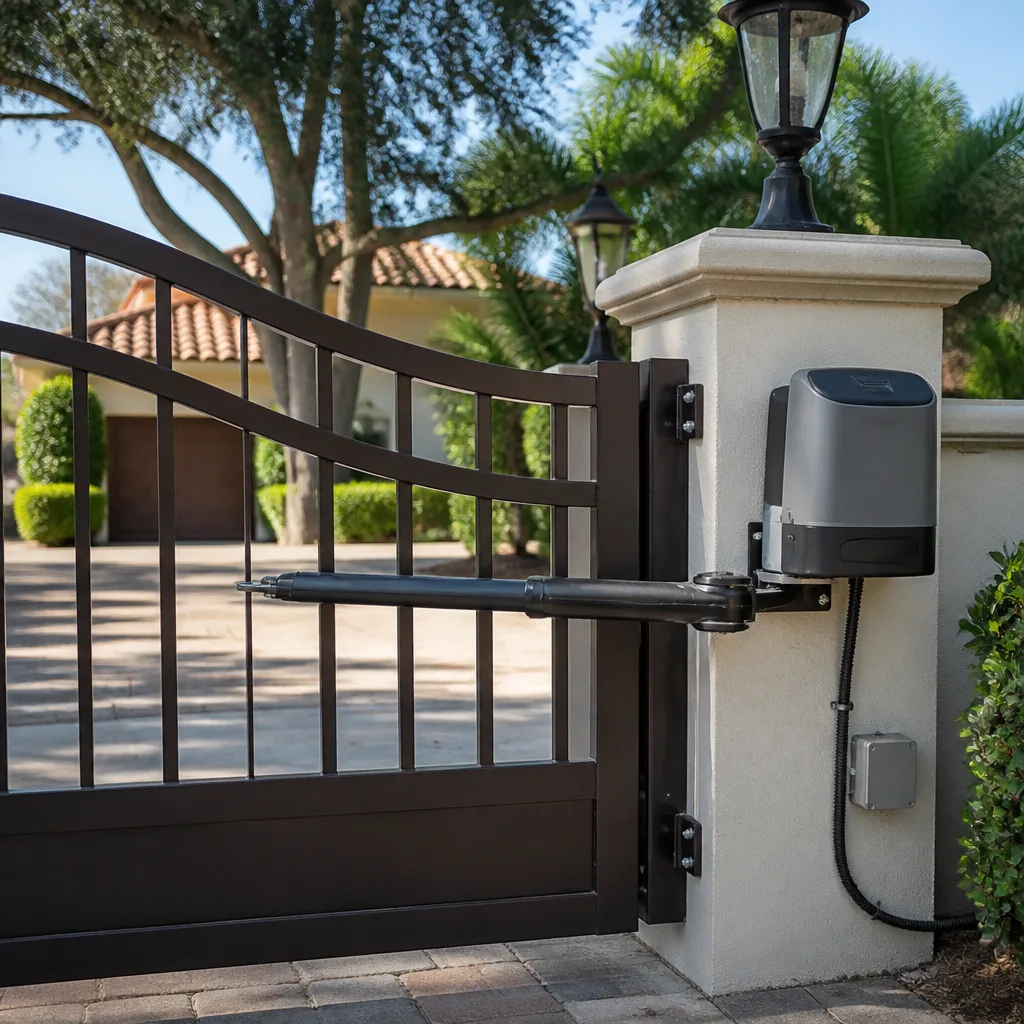 LiftMaster operators
Free on-site gate assessment - hinges, posts, and your LiftMaster or Nice gate operator checked before anything is quoted
The assessment is free and the quote is the invoice.
Get your free estimateGate Repair Warning Signs: A Lancaster Homeowner’s Reference Guide
A gate that hesitates for two seconds before moving isn’t being “slow” – it’s showing a measurable symptom that points to one of four specific failure causes, each with a different repair path and a different urgency level. Most Lancaster homeowners replace gates and operators years before they actually wear out, misdiagnosing early warning signs as normal behavior. This guide teaches you to read what your gate is telling you, from the first faint groan to the final refusal to close, so you can act before a minor adjustment becomes a full operator replacement or a security gap in your property line. We’ve compiled this from years of working on LiftMaster, Mighty Mule, DoorKing, and Elite systems across Lancaster’s residential neighborhoods and commercial properties.
Styles & brands we work with
- Wrought iron
- Wood & steel frame
- Farm & ranch
- Sliding driveway gates
- LiftMaster operators
Quick Answer
The most common gate repair warning signs in Lancaster are a gate that hesitates or stutters before moving, grinding or squealing sounds during operation, visible sagging or misalignment, and a gate that reverses mid-cycle or stops partway. Each symptom points to a specific mechanical or electrical cause – from worn rollers and dry hinges to failing capacitors in the operator board – and most are repairable in a single visit when caught early. Ignoring these signs typically turns a $200 adjustment into an $800 to $1,500 operator or structural repair within six to twelve months.
Table of Contents
- Symptom-to-Cause Diagnostic Table
- Operator Warning Signs vs. Structural Warning Signs
- The Sounds a Gate Makes and What Each Means
- Safety-Critical Warning Signs: When to Stop Operating the Gate
- How Warning Signs Escalate: A Week-by-Week Timeline
- Why Lancaster’s Climate Accelerates Gate Wear
- Common Mistakes to Avoid
- When to Call a Professional
- Frequently Asked Questions
- The Bottom Line
Symptom-to-Cause Diagnostic Table
Every observable gate behavior maps to a probable root cause. Here’s what we see most often on automated and manual gates throughout Lancaster, where fine desert dust combined with summer heat creates a specific set of failure patterns. Use this table as your first diagnostic step before calling anyone.
- Gate hesitates two to five seconds before moving: Failing start capacitor in the operator, or an obstruction sensor reading a false signal from dust buildup on the photo eye. On LiftMaster and DoorKing operators, this hesitation is often the first sign of a capacitor losing its charge capacity.
- Grinding sound while moving: Worn drive gear inside the operator, or the gate’s rollers dragging through dry, debris-packed tracks. On chain-drive systems, the grinding is usually gear wear. On wheeled slide gates, it’s almost always the rollers.
- Squeal or high-pitched whine: Dry hinge bearings or a loose drive belt. This one is frequently misdiagnosed as a motor problem when it’s actually a $15 bearing or a belt tension adjustment.
- Gate opens partway then stops: An obstruction sensor triggering falsely, a bent limit switch, or a track obstruction. On Mighty Mule and Ghost Controls residential operators, partial opening is frequently the limit switch drifting out of calibration.
- Gate reverses mid-cycle without an obstruction: The auto-reverse force setting is too sensitive, or the gate’s weight has increased due to sagging, forcing the operator to work harder and tripping the safety reversal. This is common on ornamental steel gates that accumulate a slight downward bend over years.
- Sagging gate, difficulty latching, or a gate that scrapes the ground: Structural wear in the hinge posts, or a worn caster wheel if applicable. This is a structural issue, not an operator issue, and no operator adjustment will fix it permanently.
- Intermittent clicking from the operator box with no movement: A failing relay on the control board, or low voltage reaching the operator. This pattern is especially common on older Elite and FAAC boards exposed to Lancaster’s summer heat cycling.
The key distinction: electrical symptoms (hesitation, clicking, partial cycles) usually trace to the operator or its sensors. Mechanical symptoms (grinding, sagging, scraping) trace to the gate structure or drive components. Treating one as the other is the most expensive mistake a homeowner can make.
Operator Warning Signs vs. Structural Warning Signs
The distinction matters because they require completely different repairs, different parts, and different budgets. A structural problem treated with an operator adjustment returns within months. An operator problem treated with hinge lubrication does nothing at all.
Operator warning signs are electrical or control-related. The gate hesitates before starting. The operator hums but the gate doesn’t move. The remote works intermittently. The gate opens on its own or fails to respond to the keypad. These symptoms point to the motor, capacitor, control board, limit switches, photo eyes, or remote receiver – components housed in or connected to the operator unit itself.
Structural warning signs are physical or weight-related. The gate sags visibly. The latch no longer lines up with the receiver. One hinge shows a gap or rust staining. The gate scrapes or drags along the ground at one end. Posts show cracks at the base or lean slightly. These point to the gate frame, hinge hardware, posts, track, or foundation – the load-bearing elements that support the gate’s weight.
Here’s why this distinction saves money: a sinking post adds friction that makes the operator work harder. The operator compensates until its force setting trips, the gear strips, or the board burns out. A homeowner who replaces the operator without addressing the post gets three to six months of smooth operation before the new operator starts showing the exact same symptoms. We’ve replaced operators in Lancaster where the real culprit was a hinge post that had settled an inch into water-softened soil after a wet winter. The correct repair was post reinforcement and re-hanging the gate – about a third the cost of a new operator and far more permanent.
The takeaway: before accepting an operator replacement quote, ask the technician to rule out structural issues first. A gate specialist will check post stability, hinge wear, and gate weight before touching the operator. That sequence is the difference between a repair that lasts and a repair that repeats.
The Sounds a Gate Makes and What Each Means
Gates communicate through sound more than anything else. Each distinct noise corresponds to a specific component under stress, and the sounds escalate in severity as wear progresses. Learning these four sounds gives you an early warning system that costs nothing to operate.
- Squeal or high-pitched whine. This is metal-on-metal friction at a pivot point – hinge bearings, roller bearings, or a tension pulley. On belt-drive operators, a whine often means the belt is over-tightened or a pulley bearing is dry. Urgency: low to moderate. Catch it now and the fix is lubrication or a bearing replacement. Ignore it and the bearing seizes, transferring stress to the drive shaft and motor.
- Clunk or thud at the start or stop of movement. This indicates slack in the drive mechanism – a worn chain, a loose belt, or play in the operator’s output shaft. On slide gates, a clunk at startup often means the drive sprocket has worn teeth or the chain has stretched beyond tension adjustment. Urgency: moderate. The slack compounds with every cycle, and the shock loading shortens operator life.
- Grinding or crunching during movement. This is abrasive wear – metal particles in a gearbox, a drive gear losing teeth, or rollers dragging through grit-filled tracks. Lancaster’s fine dust accelerates this specific sound because it works its way into lubricated components and turns lubricant into grinding paste. Urgency: high. Grinding means material is being removed right now, and continued operation increases the repair scope every cycle.
- Intermittent click with no movement. This is an electrical fault – a relay chattering, a capacitor failing to hold charge, or a low-voltage condition starving the control board. We hear this most often on operators installed five or more years ago, especially during Lancaster’s hot afternoons when thermal expansion stresses aging solder joints and relay contacts. Urgency: high, because electrical faults tend to fail completely without warning and often take the control board with them.
A gate that should be silent and isn’t is telling you something specific. Note the sound, when it happens in the cycle, and whether it changes with temperature. That information cuts diagnostic time in half when you call a technician.
Safety-Critical Warning Signs: When to Stop Operating the Gate
Some warning signs mean the gate should be locked out of operation until a professional inspects it. These are the signs that involve entrapment risk, structural collapse risk, or electrical fire risk. Continuing to run the gate after seeing any of these puts people and property in direct danger.
Stop operation and secure the gate if you notice:
- The gate reverses violently when it hits an obstruction, or fails to reverse when it should. This means the safety reversal system is malfunctioning. An automated gate that doesn’t reverse on contact can injure a child or pet before anyone can intervene.
- The gate’s speed has noticeably increased, or it no longer slows down as it approaches the end of travel. This usually means the limit switches have drifted or failed. The gate can slam into its stop with enough force to bend the gate frame or shear mounting bolts.
- Visible cracks at the base of a hinge post, or a post that moves when the gate moves. This is structural failure in progress. A gate that falls can weigh several hundred pounds.
- Burning smell from the operator box, scorch marks, or a warm-to-the-touch control panel. These are electrical fault indicators and can precede a fire inside the operator housing.
- Loose or exposed wiring at the operator, junction box, or photo eye. Never touch wiring on an automated gate system. Even low-voltage control wiring carries enough current through the operator’s capacitor to injure.
Interim measures while waiting for repair: Manually disengage the operator using the release mechanism (most LiftMaster, DoorKing, and Mighty Mule operators have a manual release lever or key). Once disengaged, secure the gate in the desired position with a chain and padlock through the frame and a fixed post. For slide gates, use a wheel chock on the gate’s drive wheel. Never rely on the operator’s brake to hold a disconnected gate. For swing gates, prop or chain both leaves so they can’t move in the wind. Lancaster’s afternoon winds can swing an unsecured gate leaf with surprising force.
If the gate is your only vehicle access point, leave it in the open position and secure the property through other means until repair. A temporarily open gate is safer than a partially functioning automated gate with a compromised safety system. For a full breakdown of what electric gate repair involves, our Electric Gate Repair in Lancaster page covers the process from diagnosis to testing.
How Warning Signs Escalate: A Week-by-Week Timeline
Gate failures don’t happen suddenly. They follow a predictable progression that most homeowners don’t recognize because each stage seems tolerable in isolation. Here’s what the typical escalation looks like on an automated swing gate in Lancaster, based on the failure patterns we’ve documented across hundreds of service calls.
Week 1-2: The Subtle Shift. The gate moves slightly slower than it used to, or hesitates for a beat after you press the remote. There might be the faintest new sound – a whisper of a squeal, a soft click that wasn’t there before. Most people dismiss this as “the gate just being the gate.” But the start capacitor is already losing capacity, or a hinge bearing has begun to dry out. Repair cost at this stage: typically a bearing replacement, lubrication, or a capacitor – under $250 in most cases.
Week 3-5: The Noticeable Symptom. The hesitation is now a full two to three seconds, and the gate makes a distinct sound every time it moves. The remote sometimes needs two presses. The gate stops an inch short of fully closed. This is the point where most homeowners finally acknowledge something’s wrong. The original minor issue has now caused secondary wear – the dry bearing has scored the hinge pin, or the failing capacitor has made the motor draw more current, stressing the relay. Repair cost at this stage: typically $300 to $600, because multiple components now need attention.
Week 6-8: The Functional Decline. The gate ocasionally fails to open or close at all. It reverses mid-cycle for no apparent reason. The operator hums but the gate doesn’t move until you cycle power. The control board’s relays are now damaged from repeated high-current draws, or the drive gear has worn to the point of slipping. Repair cost at this stage: $600 to $1,200, and the operator’s remaining lifespan is now questionable even after repair.
Week 8+: The Complete Failure. The gate stops responding entirely, or moves only with manual assistance. The operator board is failed, the drive train is stripped, or a hinge has sheared. This is the point of no return – the repair cost now approaches or exceeds replacement cost, and the property has been without a functioning security barrier for days or weeks. Full operator replacement in Lancaster: typically $800 to $1,800 installed depending on brand and operator class.
The pattern is clear: every week of delay multiplies the repair cost. A $200 fix in week one becomes a $1,200 project by week eight. More importantly, a partially functioning gate means a partially secured property that entire time. If your gate is showing early signs, start with our Gate Repair in Lancaster page to understand what a proper diagnosis looks like.
Why Lancaster’s Climate Accelerates Gate Wear
Lancaster’s specific environmental conditions create failure patterns that differ from coastal California or the cooler mountain communities. Understanding these local factors helps you anticipate problems before they appear.
Fine desert dust. The Antelope Valley produces an extremely fine airborne dust that infiltrates every mechanical component. It works into lubricated bearings and turns the lubricant into an abrasive slurry. It coats photo eye lenses and causes false obstruction readings. It settles into the operator housing and forms an insulating layer that traps heat. Gates in Lancaster need bearing and sensor cleaning more frequently than identical gates in coastal climates.
Summer heat cycling. Lancaster regularly sees summer temperatures above 100°F, and the inside of a dark operator housing can exceed 135°F. This thermal cycling stresses solder joints on control boards, shortens capacitor life, and causes plastic drive components to become brittle. Most board failures we see occur during or immediately after a heat wave.
Wide temperature swings. The gap between Lancaster’s daytime highs and nighttime lows can reach 40 degrees. Metal gate frames expand and contract through this cycle daily, loosening fasteners over time and creating the minor misalignments that compound into major structural wear. A gate that’s perfectly aligned at 3 PM may bind slightly at 6 AM.
Wind loading. Lancaster’s sustained winds, especially in spring, push against swing gates and create constant cyclic stress on hinges, posts, and the operator’s drive mechanism. Slide gates fare better in wind, but swing gates need hinge inspection more frequently here than almost anywhere else in Southern California.
Recognizing these patterns means scheduling preventive maintenance at the right intervals. A twice-yearly inspection – one before summer heat peaks and one after winter rains – addresses Lancaster-specific wear before it becomes a failure. We routinely see gates in Lancaster that are 10 to 15 years old and still operating reliably because their owners maintenance them on a Lancaster-appropriate schedule, while identical gates installed the same year are on their third operator because they were never touched until something broke.
Common Mistakes to Avoid
- Lubricating without cleaning first. Spraying lubricant onto dust-covered rollers and tracks just creates a paste that accelerates wear. The dust must be cleaned off first, then lubricant applied sparingly to the right points. This mistake is particularly costly in Lancaster, where the dust load is higher than most of Southern California.
- Treating the symptom instead of the cause. A homeowner hears a squeal and lubricates the hinges, but the squeal was coming from the operator’s drive belt. The noise returns in a week. Sound location matters – a squeal at the post is a hinge, but a squeal at the operator is a belt or pulley.
- Adjusting the force setting to “fix” a binding gate. When a gate starts binding and tripping the reversal, some owners turn up the force dial. This overrides a safety system and pushes the operator harder against the same resistance. The result is a stripped gear or a burned motor, and now the bill triples.
- Ignoring a sagging gate because it still opens. A gate that sags an inch is loading its hinges and posts unevenly. Every cycle compounds the damage. By the time it fails visibly, the post, the hinges, and possibly the gate frame all need work.
- Running the operator after disconnecting the gate. If you manually release the operator to operate the gate by hand, don’t run the operator with the gate disconnected. Some operators can be damaged by running without load, and reconnecting a powered operator to a moved gate creates alignment problems.
- Waiting until the gate fails completely to call. This is the mistake that every expensive gate invoice shares as a root cause. The repair was affordable at the first sign of trouble. By the point of complete failure, the repair scope has expanded to include all the secondary damage done during the decline.
When to Call a Professional
Call a gate specialist when the gate hesitates before moving, makes any new sound during operation, fails to close or latch completely, reverses without an obstruction, or shows visible sagging. These are all repairable conditions that indicate a specific mechanical or electrical fault. Gate Installation in Lancaster and Gate Repair in Lancaster both provide free estimates in Lancaster – call (855) 341-7657 to schedule a diagnostic visit. We work on your exact brand, from Mighty Mule to FAAC so the diagnosis is based on the specific system installed at your property, not a generic checklist applied to whatever rolls up the driveway. For more on the full scope of services, see the Gate Repair Lancaster home page.
Frequently Asked Questions
A hesitation before movement typically points to a failing start capacitor in the operator, a false obstruction signal from a dusty photo eye, or low voltage reaching the operator. It’s often the first sign of an electrical issue and is repairable in one visit when caught early. Call (855) 341-7657 for a diagnostic visit in Lancaster – we identify the exact cause before recommending any repair.
Minor gate repairs in Lancaster, such as bearing replacement or sensor realignment, typically run $150 to $300. Mid-range repairs like drive gear replacement or control board repair run $300 to $700. Full operator replacement typically runs $800 to $1,800 depending on brand and operator class. Every repair is quoted and agreed before any work starts. Call (855) 341-7657 for an exact quote – estimates are free.
For most repair calls in Lancaster, we can typically respond within one to two business days, and same-day emergency response is sometimes available depending on scheduling and the nature of the failure. The urgency of the repair depends on what the gate is doing. If you have a safety-critical failure – a gate that won’t reverse, an operator with burning smell, a gate at risk of falling – mention that when you call (855) 341-7657 and we’ll prioritize accordingly.
A full gate installation in Lancaster includes site measurement, post setting, gate frame mounting, operator installation, limit switch configuration, safety sensor installation, and final testing of all safety reversal systems. The process is measured, quoted, and scheduled – not rushed. For a complete breakdown, see our Gate Installation in Lancaster page. Call (855) 341-7657 for a free on-site measure and written price.
We work on equipment from nine specific manufacturers including LiftMaster, Mighty Mule, DoorKing, and Elite, which covers most residential and small commercial automated gate systems in Lancaster. Diagnosis is based on the actual system installed at your property – we carry brand-relevant parts and brand-specific service knowledge, not a generic parts bin and a guess.
Automated gates in Lancaster should be serviced twice a year due to the Antelope Valley’s fine dust, summer heat, and wind loading. Each service should include track and roller cleaning, hinge inspection, operator component testing, safety reversal testing, and photo eye cleaning. Gates on this schedule typically outlast identical gates that are only serviced when something breaks.
The Bottom Line
Your gate tells you when it’s failing. A hesitation, a new sound, a sag, a reversal – each is a specific signal pointing to a specific component, and each is cheaper to fix the day you first notice it than the week after it stops working entirely. Lancaster’s dust, heat, and wind make these warnings appear earlier and escalate faster than in milder climates, which means local homeowners benefit more than most from paying attention early. The diagnostic logic in this guide applies to every brand we service, from Mighty Mule residential operators to DoorKing commercial systems. When your gate starts talking, listen, and call (855) 341-7657 before the conversation becomes a one-sided argument about whether the gate will open at all.
Written by the team at Gate Repair Lancaster, serving Lancaster since 2015.
See the difference
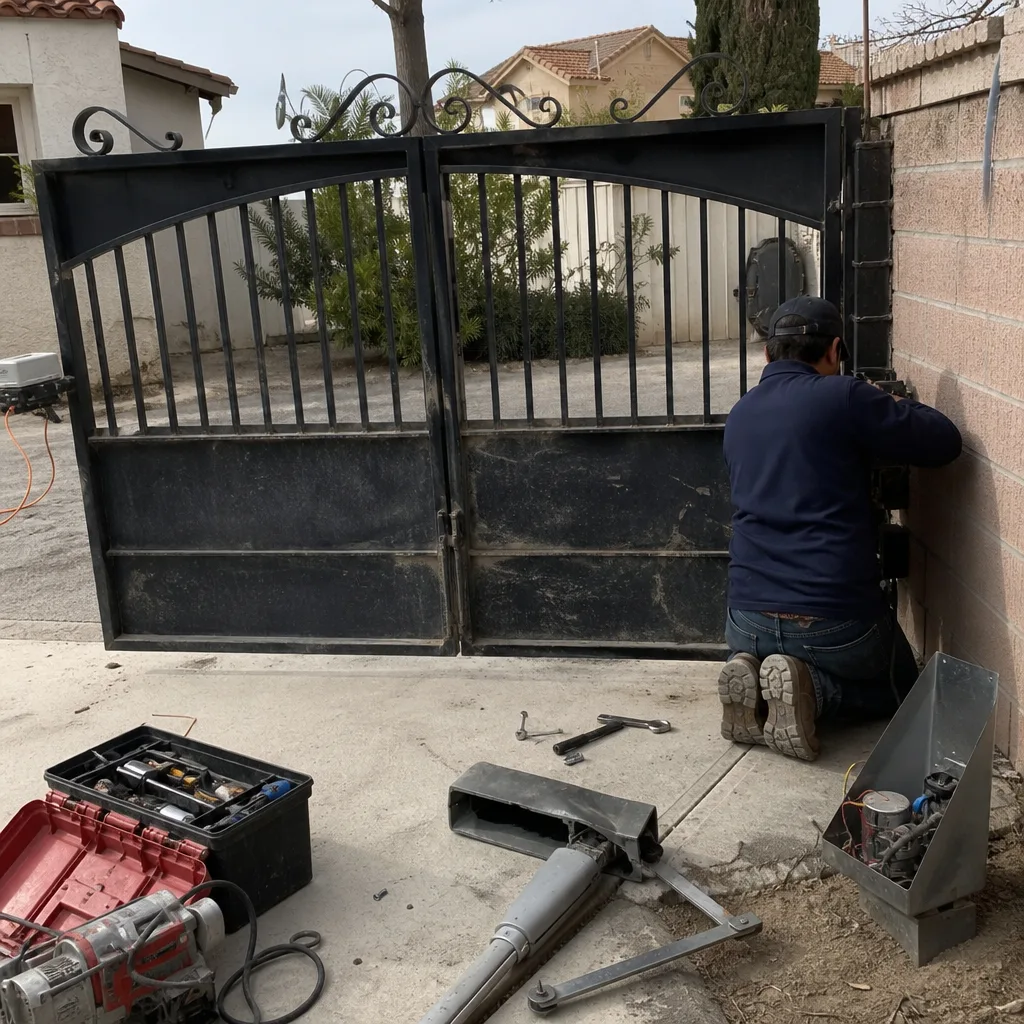
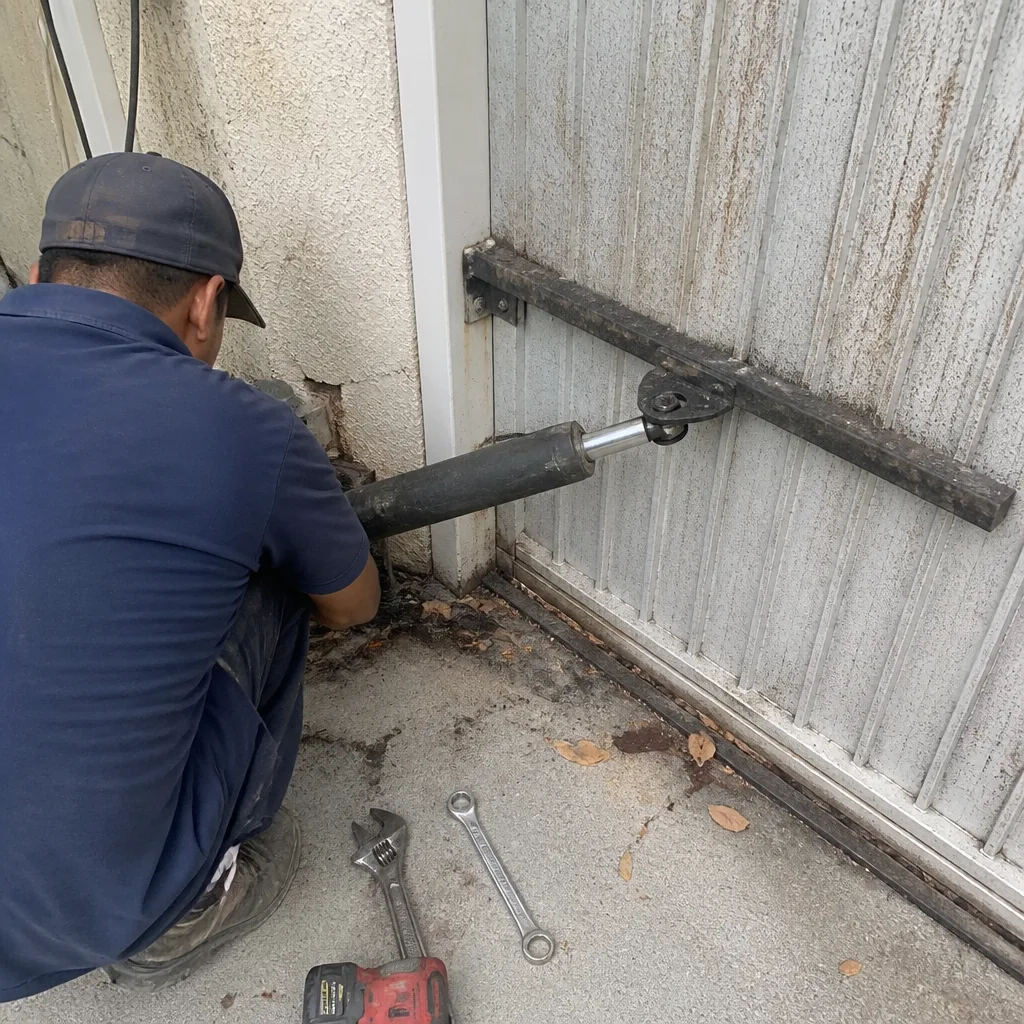 Before
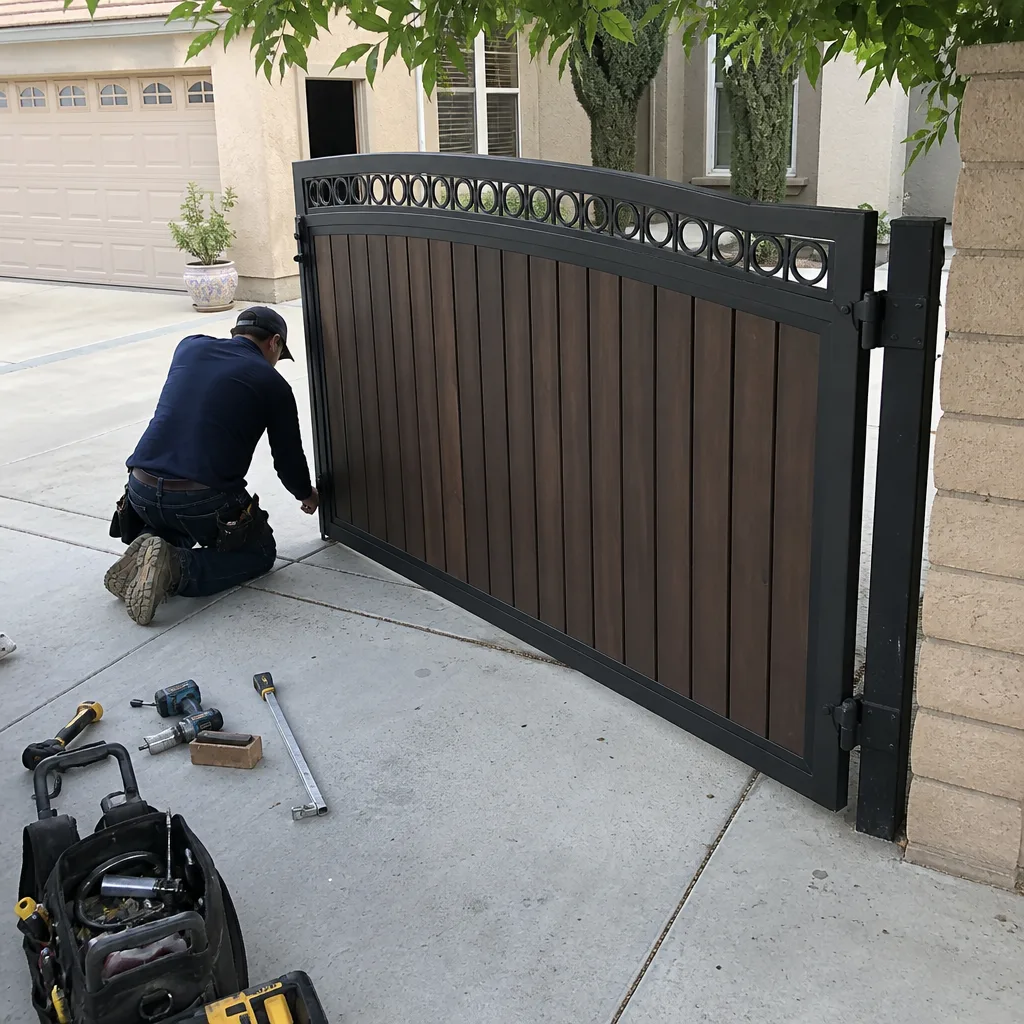
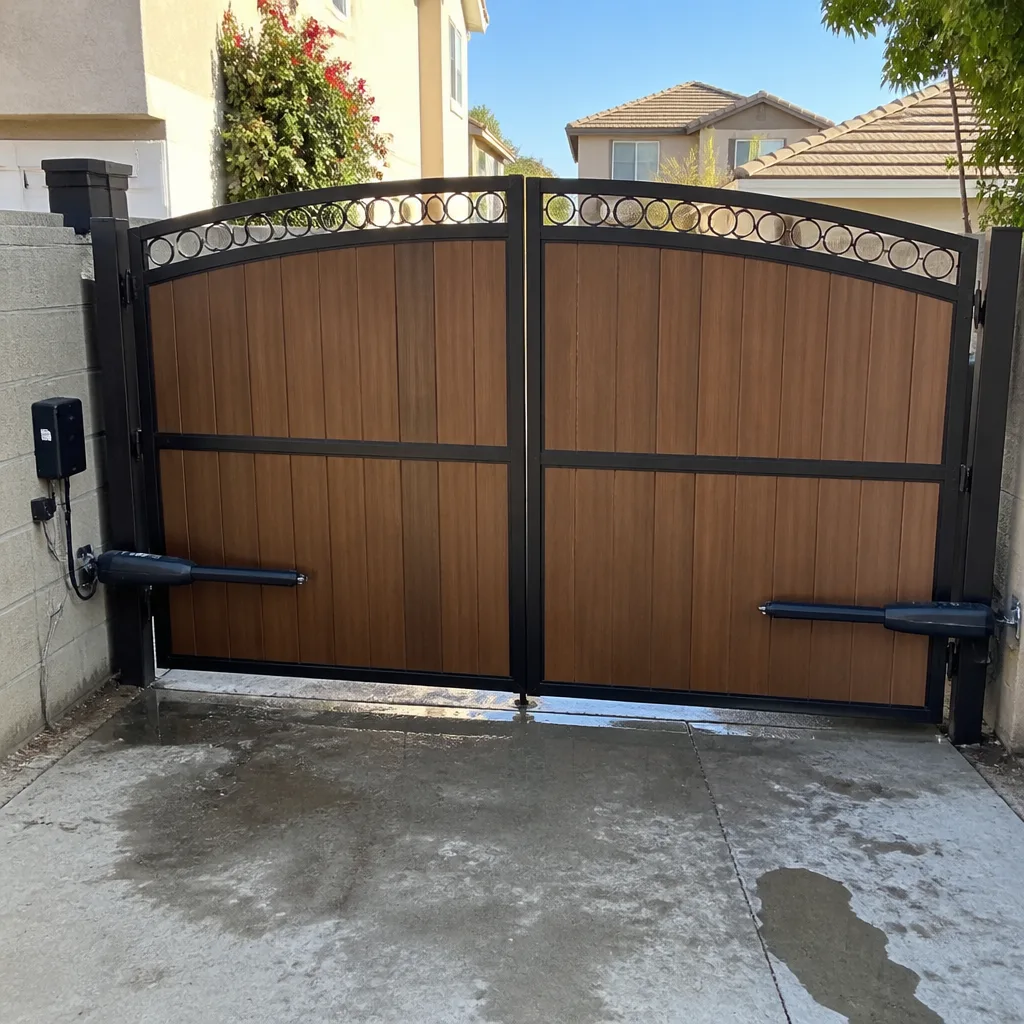 After
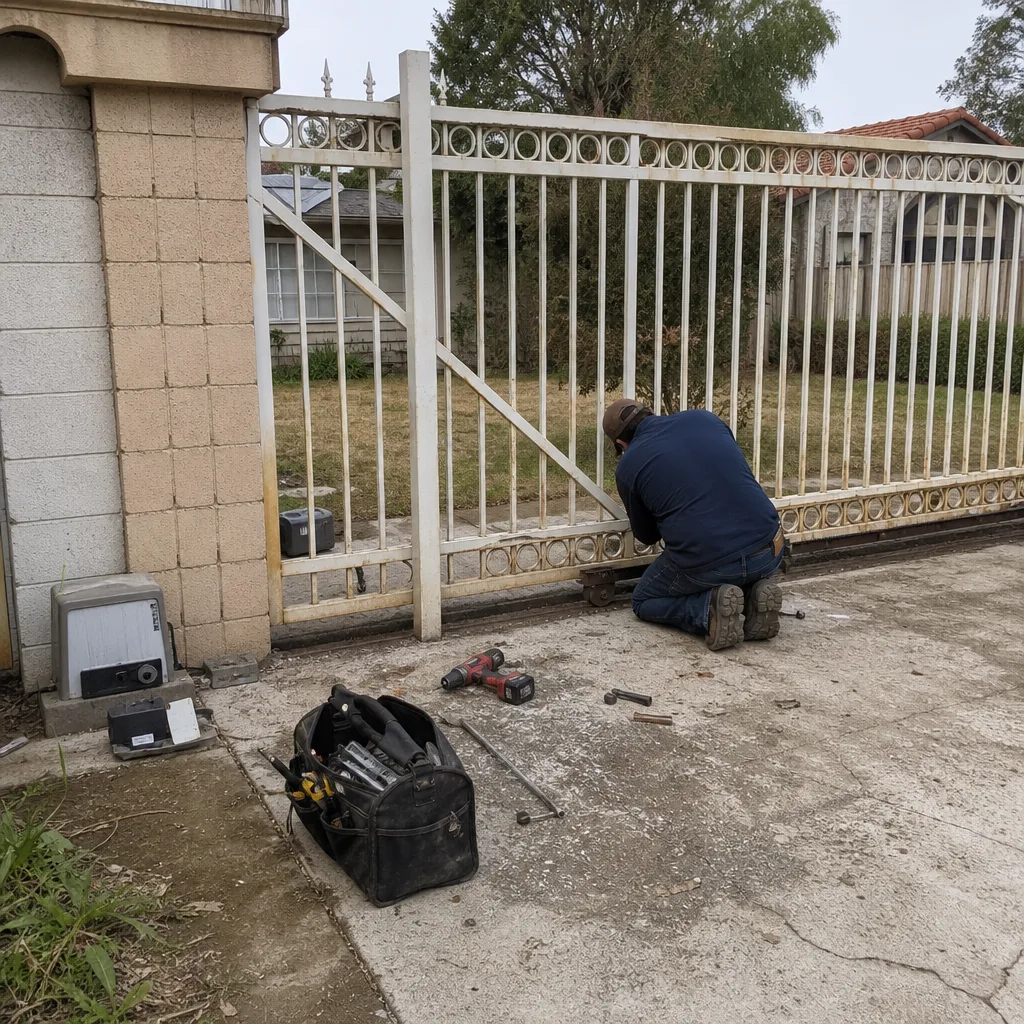 Before
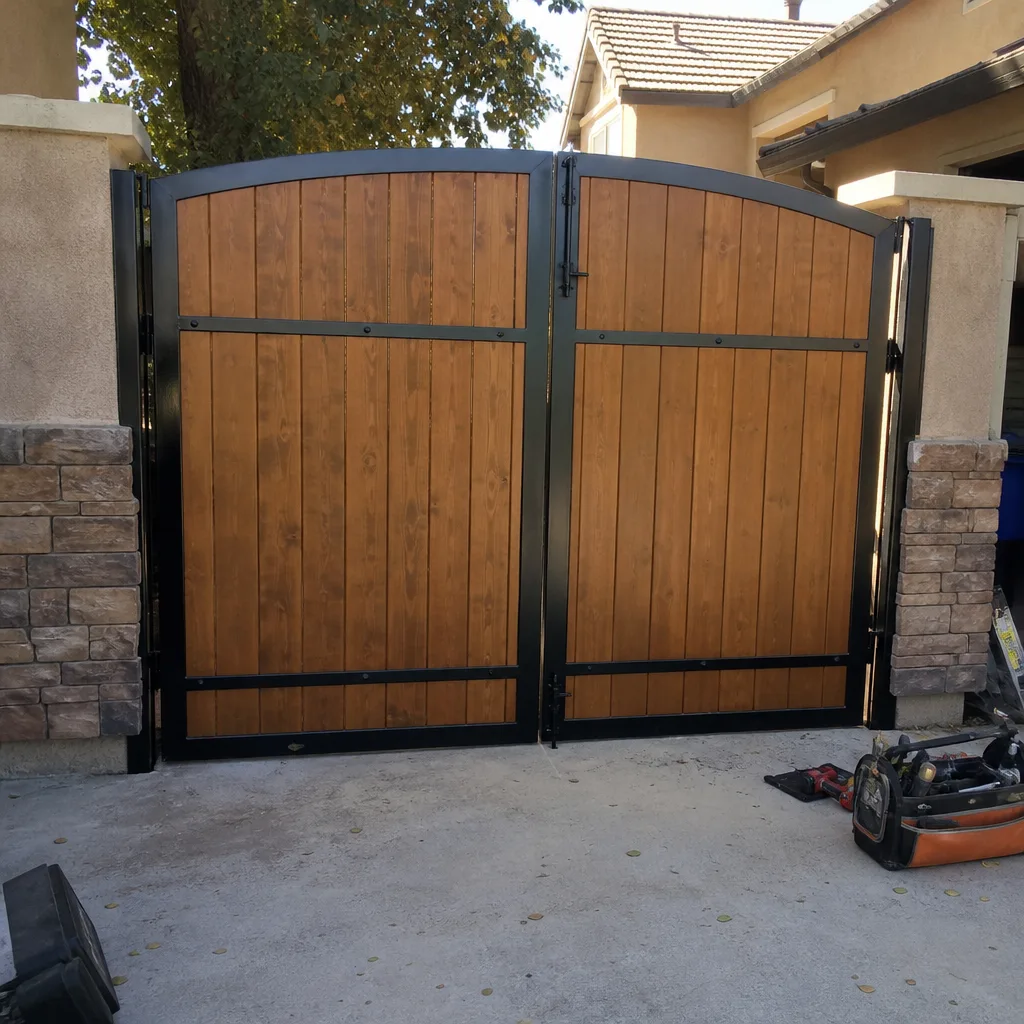 After
 Before
 After