
Last updated November 2, 2026
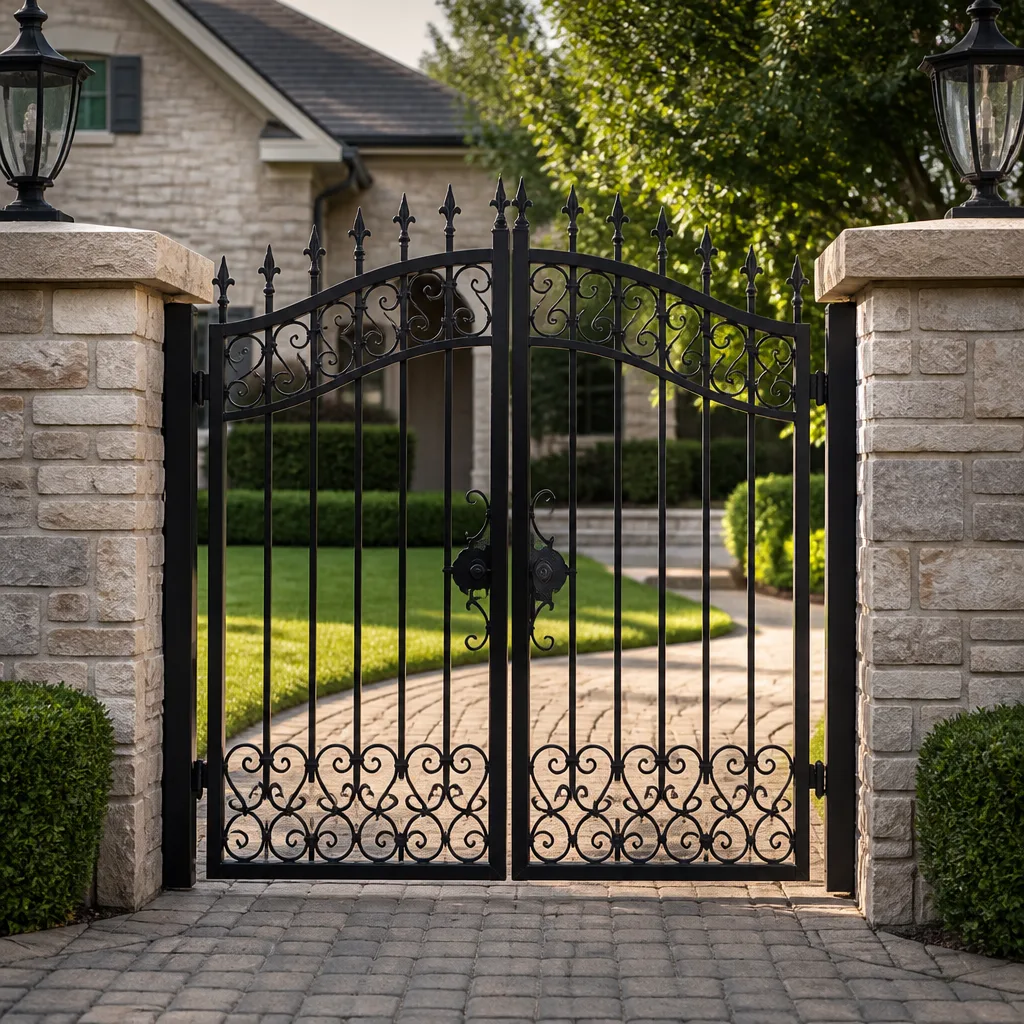 Wrought iron
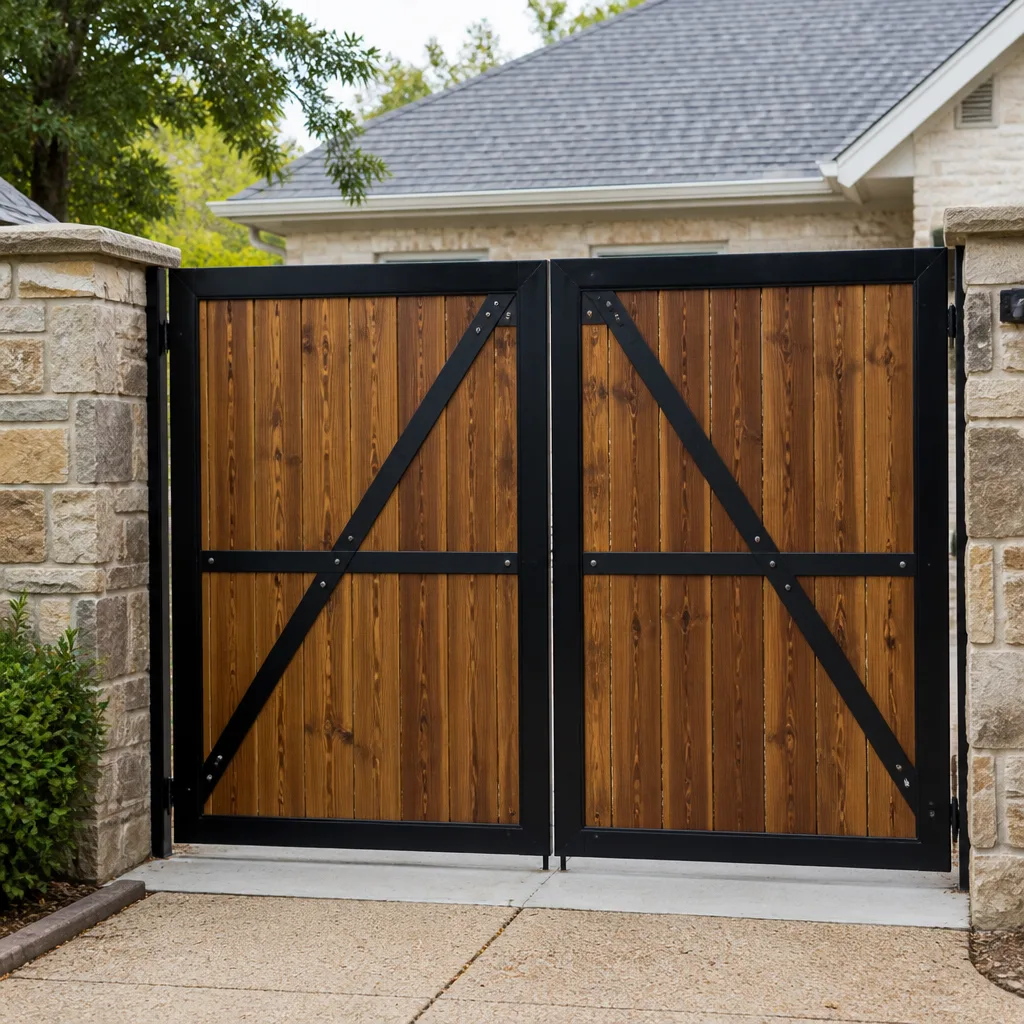 Wood & steel frame
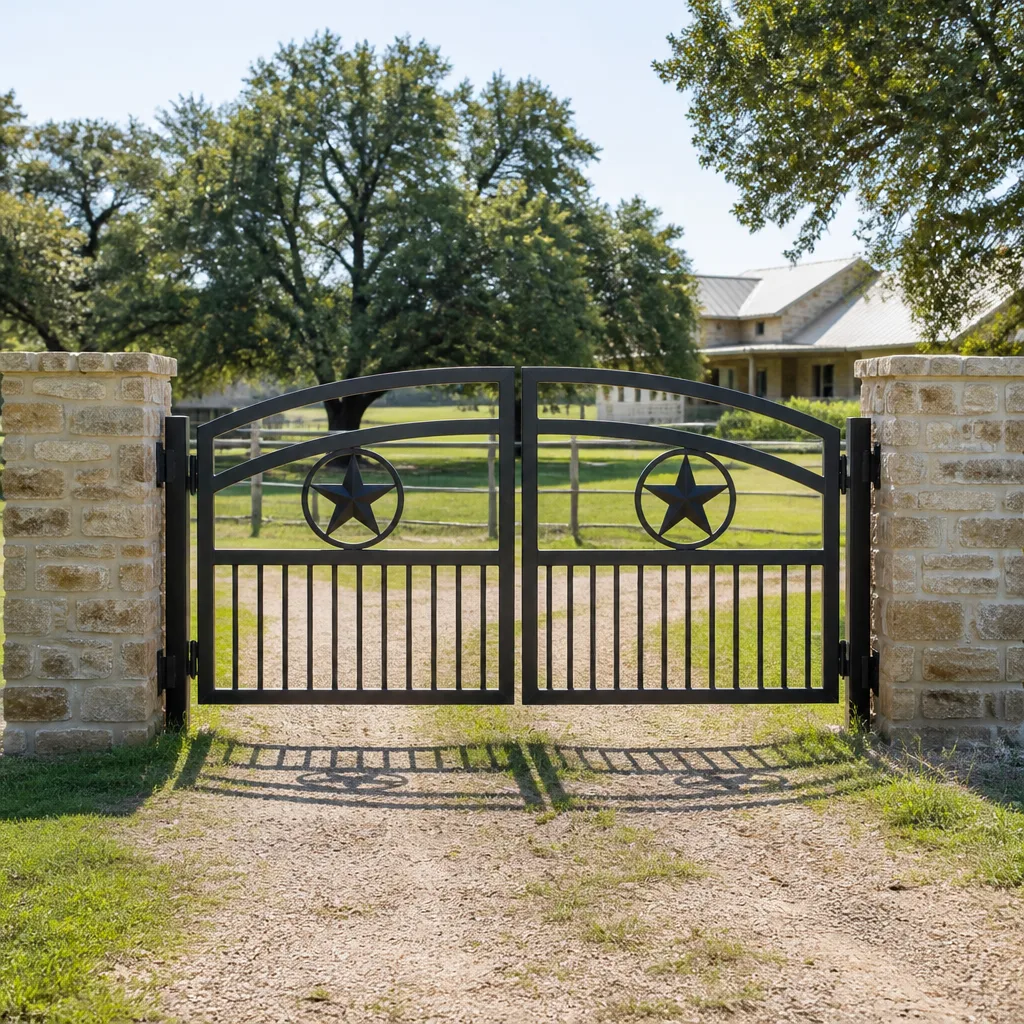 Farm & ranch
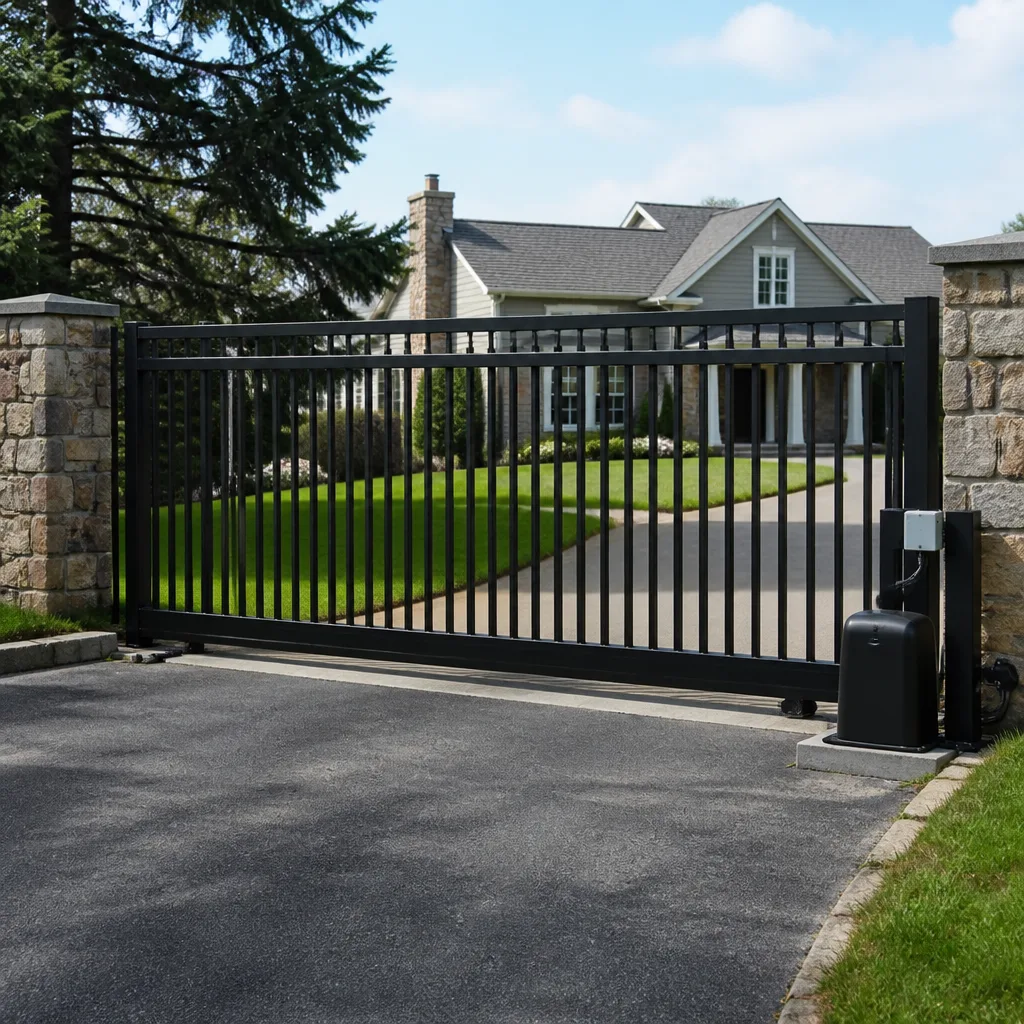 Sliding driveway gates
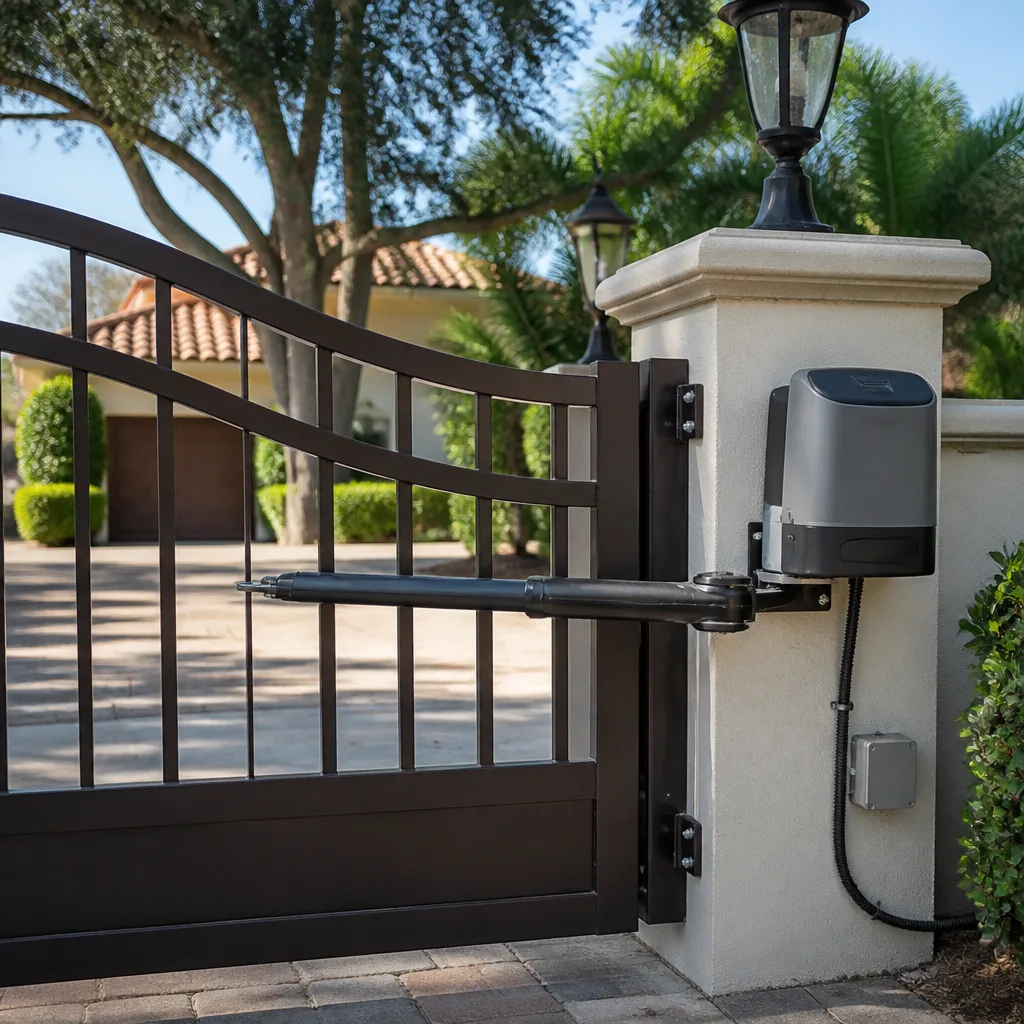 LiftMaster operators
Free on-site gate assessment - hinges, posts, and your LiftMaster or Nice gate operator checked before anything is quoted
The assessment is free and the quote is the invoice.
Get your free estimateThe Complete Gate Repair Guide for Lancaster Homeowners
A gate rated for 10 years in coastal California can show critical wear in 4 to 5 years in Lancaster’s Mojave-adjacent heat, yet most repair guides never mention the zip code. That mismatch between manufacturer specs and high-desert reality is why so many Lancaster homeowners end up replacing components they didn’t expect to fail. This guide maps every gate system type to the failure points we actually see in Lancaster, in the order you’re most likely to encounter them. You’ll learn which components fail first in extreme heat, how Antelope Valley dust shortens motor life, what repairs cost locally, and how to document a failure before you call a technician so the diagnosis takes 10 minutes instead of 45.
Quick Answer
Gate repair in Lancaster CA typically costs $150 to $850 depending on whether you’re fixing a hinge, a circuit board, or a full motor replacement. Electric and automated gate systems fail most often in July and August, when sustained triple-digit heat warps circuit boards and burns out capacitors. The fastest way to get an accurate diagnosis is to document the failure type, note your gate’s brand, and call a Lancaster gate specialist at (855) 341-7657 for a free estimate. The same repair skipped for six months often becomes a full system replacement when dust and heat have kept chewing at the components.
Styles & brands we work with
- Wrought iron
- Wood & steel frame
- Farm & ranch
- Sliding driveway gates
- LiftMaster operators
Table of Contents
- Why Lancaster’s Climate Kills Gate Components Faster
- Swing, Slide, and Dual Gates: What You Have and What It Costs to Fix
- The Lancaster Failure Timeline: What Breaks First, Second, and Third
- How Antelope Valley Dust Infiltrates Motors and Limit Switches
- Repair vs. Replace: The Dollar Thresholds That Decide
- How to Document a Gate Failure Before You Call
- Lancaster-Specific Maintenance Intervals That Actually Work
- Brand-Specific Repair Notes: Linear, Viking, Ghost Controls, DoorKing
Why Lancaster’s Climate Kills Gate Components Faster
The Antelope Valley doesn’t just get hot. It gets hot for months. Lancaster averages over 100 days a year above 90°F, and summer stretches routinely push past 105°F. That sustained heat does something to gate components that a single hot day in Los Angeles never does: it degrades materials through thermal cycling and long-duration exposure, not just peak temperature shock.
Circuit boards are the first casualty. Most residential gate operator control boards are rated for operating temperatures up to 140°F internally. But inside a metal control box mounted on a west-facing gate post in Lancaster, the internal temperature can exceed 150°F for hours every afternoon in July and August. Solder joints expand and contract until they crack. Capacitors dry out. Relays stick. When a board fails, the gate usually stops responding entirely or moves intermittently, which is why we see a spike in “gate just stopped working” calls every year in late summer.
Batteries and solar systems take a beating too. Mighty Mule and Ghost Controls systems that run on 12V batteries lose battery life faster in Lancaster because lead-acid chemistry degrades faster at high temperatures. A battery that lasts 24 months in a coastal climate might last 14 to 18 months here. We see this most on ranches east of the 14 Freeway where solar-powered openers are the only option.
The practical takeaway: if you own an automated gate in Lancaster, the manufacturer’s maintenance schedule was written for a milder climate. Our experience in this specific market says you should roughly double the recommended inspection frequency during the hottest months.
Swing, Slide, and Dual Gates: What You Have and What It Costs to Fix
Gates in Lancaster fall into three structural categories, and each one fails differently. Knowing which system you have is the first step in understanding any repair estimate.
Swing Gates
Swing gates are the most common on residential properties in West Lancaster and Quartz Hill. They pivot on hinges mounted to posts or columns, and they’re powered by either an articulated arm operator (Linear, FAAC) or an underground piston. The failure points on swing gates are almost always mechanical before they’re electrical: hinges sag under the gate’s weight, the gate drags on the ground, and the operator motor works harder until it burns out.
- Typical repair costs in Lancaster: hinge replacement $200 – $450; operator arm repair $350 – $700; full operator replacement $900 – $1,800.
- Most common on: single-family homes with driveways 10 – 16 feet wide.
- Repair complexity: moderate. Most hinge and alignment issues are fixable in one visit.
Slide Gates
Slide gates are more common on commercial properties, apartment complexes, and larger residential lots in East Lancaster. They ride on a track or cantilever system with rollers that wear down over time. In Lancaster’s dust, those rollers and the track fill with grit that acts like sandpaper. We’ve seen slide gate rollers worn completely flat in under three years on unpaved driveways.
- Typical repair costs in Lancaster: roller replacement $180 – $400; track realignment $250 – $600; motor and gearbox replacement $800 – $2,200.
- Most common on: commercial entries, gated communities, RV access gates.
- Repair complexity: higher than swing gates. Slide gates require precise track alignment, and a misaligned gate will destroy new rollers within weeks.
Dual Gate Systems
Dual swing gates (also called bi-parting gates) are common on wider driveways and larger residential lots throughout the Antelope Valley. They use two operators, one per leaf, and they must be synchronized. The most common failure here is one leaf opening while the other doesn’t, or the two leaves drifting out of sync so they no longer close flush. A dual gate that won’t close is a genuine security problem because it leaves an open gap even when the system thinks it’s secure.
- Typical repair costs in Lancaster: single operator repair $350 – $700; sync and limit switch correction $150 – $350; full dual operator replacement $1,800 – $3,600.
- Most common on: custom homes, equestrian properties, and rural lots.
- Repair complexity: highest of the three. Both operators, the limit switches, and the control board must work together, which means diagnosis takes longer.
Regardless of which system you have, the repair approach for gate repair in Lancaster starts with identifying the gate type, then the operator brand, then the specific failure point. That sequence matters because a hinge problem on a swing gate is a completely different repair than a limit switch problem on a slide gate, even if the symptom (gate won’t open) is identical.
The Lancaster Failure Timeline: What Breaks First, Second, and Third
Every gate component has a manufacturer-rated service life. But in Lancaster’s climate, the actual failure sequence shifts significantly. Here’s the order we see in our service area, compared to what national averages would suggest.
- Photo eyes and safety sensors (years 2 – 4): In most climates, photo eyes last 5 – 7 years. In Lancaster, the lenses pit from wind-driven sand, and the internal electronics degrade from heat exposure inside the housing. When a photo eye fails, the gate usually refuses to close or reverses immediately after closing. This is the most common electric gate failure we see in Lancaster, and it’s also one of the cheapest to fix.
- Limit switches (years 3 – 5): Limit switches tell the operator when the gate has reached the fully open or fully closed position. In dusty conditions, the switch contacts get gritty and fail to register properly. The gate opens but won’t stop, or stops halfway. Repairing or replacing limit switches usually costs $120 – $250.
- Capacitors (years 4 – 6): The capacitor gives the motor the starting jolt it needs to move a heavy gate. Heat dries out the capacitor’s internal electrolyte. A failed capacitor means the motor hums but the gate doesn’t move. This is a $75 – $150 part, but it’s often misdiagnosed as a motor failure by technicians who don’t check it first.
- Hinges and rollers (years 4 – 7): Mechanical wear happens faster in Lancaster because of dust abrasion on moving parts. Hinges on swing gates and rollers on slide gates need lubrication and inspection at least twice a year. Without it, they wear unevenly and transfer stress to the operator motor.
- Circuit boards (years 5 – 8): As described above, heat is the primary killer. A board that would last 10 years in San Diego often dies in 6 here. Board replacement costs $200 – $600, depending on the brand and model. This is the point where many homeowners face the repair-vs-replace decision.
- Motors and gearboxes (years 8 – 12): Motors actually hold up reasonably well in Lancaster if the other components are maintained. But when hinges, rollers, and limit switches are ignored, the motor works harder and fails early. A full operator replacement is the most expensive single repair, so maintaining the cheap components is the best insurance against it.
This timeline assumes the gate was installed correctly in the first place. We regularly see gates in Lancaster that were installed with undersized operators or improper hinge placement, which compresses every one of these timelines. A professional electric gate repair diagnosis should always include an assessment of whether the original installation set the system up for premature failure.
How Antelope Valley Dust Infiltrates Motors and Limit Switches
Lancaster’s dust isn’t just dirt. It’s fine, alkaline, and extraordinarily abrasive, carried by winds that regularly gust over 40 mph through the Antelope Valley. That dust gets into places rain-climate gate guides never discuss because they’ve never had to deal with it.
Motor housings are a particular problem. Most residential gate operators have cooling vents designed to let heat escape. In Lancaster, those same vents are entry points for dust. Over months, a layer of fine grit coats the motor windings and the armature. The dust acts as an insulator, trapping heat exactly where the motor needs to shed it. The result is a motor running hotter than it was designed to, which shortens its life even without any mechanical failure.
Limit switches suffer a different problem. Most limit switches use mechanical contacts that open and close thousands of times per year. Dust particles settle between those contacts and prevent a clean electrical connection. The switch becomes intermittent: the gate opens fully one day, stops halfway the next, and behaves erratically until the homeowner assumes the whole system is shot. We’ve fixed “dead” gates in Lancaster by cleaning or replacing a $50 limit switch.
The practical maintenance countermeasure is simple and cheap:
- Blow out control boxes and motor housings with compressed air every 6 months. Do this more often if your property faces open desert or an unpaved road. This one step removes the abrasive layer before it accumulates deep enough to cause damage.
- Check and replace weather stripping around control box doors. A tight seal keeps dust out of the board compartment. If the stripping is cracked or missing, the inside of the box will be coated in grit within one windy season.
- Inspect photo eye lenses monthly during dust season (March – October). A quick wipe with a dry cloth removes the film that eventually blocks the infrared beam. When the beam is weak, the gate behaves like the sensor has failed.
For homeowners who want a deeper dive into the electrical side, our electric gate repair page covers the diagnostics we run when dust-related damage is suspected.
Repair vs. Replace: The Dollar Thresholds That Decide
The hardest call in gate ownership is knowing whether to fix what you have or replace the operator entirely. In Lancaster, the math is different than in milder climates because the residual life of every component is shorter. Here’s how we think about it, and what we tell our customers.
Repair makes sense when:
- The repair cost is under 40% of the replacement cost, and the gate structure itself (hinges, posts, track) is in decent condition.
- The failed component is a wear item (photo eye, limit switch, capacitor, roller) that is cheap to replace and doesn’t indicate systemic problems.
- The operator is less than 7 years old, assuming it was properly maintained. A 4-year-old Ghost Controls opener with a bad capacitor is almost always worth repairing.
- The gate still operates manually without dragging, binding, or sagging. If the structure is sound, the electrical components are worth repairing.
Replacement makes sense when:
- The repair quote exceeds 60% of the cost of a new operator, especially if the operator is 8+ years old and was run hard in Lancaster heat.
- Multiple components failed at once (board and motor, or limit switch and hinges), indicating the system reached the end of its service life.
- The gate structure itself is failing: sagging hinges, rotted posts, cracked welds. Repairing the electronics on a failing structure just sends money after good.
- You’ve had three or more repair calls in 18 months. That’s not a run of bad luck. It’s a cascading failure.
Here’s the part most guides skip: cascading failures. A gate that needs a new limit switch today will likely need a new board within a year if the switch failure was caused by dust contamination that also damaged the board. A gate that needed hinge replacement and then a motor six months later is telling you the original hinge failure caused the motor to work harder and burn out. Deferring the second repair doesn’t save money. It just spreads the cost of a replacement across multiple repair invoices.
When replacement is the right call, a professional gate installation in Lancaster should include selecting an operator properly sized for the gate’s weight and wind load, not just swapping in whatever was there before. Many of the premature failures we see trace back to an undersized operator installed by a previous company.
How to Document a Gate Failure Before You Call
A 10-minute phone call versus a 45-minute one comes down to what you can tell us before we arrive. Here’s the exact documentation process we recommend to every homeowner in Lancaster. You don’t need technical knowledge, just observation.
- Write down the exact symptom. “Gate won’t open” isn’t enough. Does it hum but not move? Does it open halfway and stop? Does it open but not close? Does it reverse after closing? Each of these points to a different component. Note the specific behavior, not the general problem.
- Find the brand name and model number. Look for a label on the operator arm, the control box, or the motor housing. We service Linear, Viking, Ghost Controls, and DoorKing systems, plus several others. Knowing the brand lets us bring the right parts on the first trip.
- Note when the problem started and what the weather was like. Did it fail during a heat wave? After a windstorm? After rain? Lancaster’s climate events are diagnostic clues. A gate that fails only when it’s over 100°F points to a heat-sensitive component. A gate that fails after wind points to dust or a blown fuse.
- Check the manual release. Most operators have a manual release lever or key. Pull it and try to move the gate by hand. If the gate moves freely, the problem is electrical. If it drags or binds, the problem is mechanical. This single test cuts diagnosis time in half.
- Take photos of the operator, the control board, and the gate hinges. A clear photo of the board can show burn marks, blown capacitors, or dust accumulation before we arrive. Send them with your service request if possible.
- Note any previous repairs and when they happened. If the photo eye was replaced last year and the gate is failing again, that’s a different conversation than a first-time failure.
None of this requires any technical skill. It just requires pausing long enough to observe. The payoff is a faster, cheaper diagnosis because the technician arrives already knowing what they’re looking for.
Lancaster-Specific Maintenance Intervals That Actually Work
Most gate maintenance guides recommend annual service. In Lancaster, that’s not enough. Here’s the schedule we recommend to our customers in this climate, and why each interval matters.
Every 6 months (spring and fall):
- Blow out the control box and motor housing with compressed air to remove accumulated dust.
- Lubricate hinges on swing gates and rollers on slide gates with a dry silicone lubricant. Avoid grease, which attracts dust and creates a grinding paste.
- Test the manual release and check that the gate moves freely in both directions.
- Inspect the photo eyes and lens covers for pitting or film buildup.
- Check that all bolts, mounting brackets, and hinge pins are tight.
Every summer (before the June – September heat peak):
- Test the gate in the afternoon, when temperatures are highest. Many components work fine in the morning and fail in the heat of the day.
- Check battery voltage on solar-powered or battery-backup systems, especially on Mighty Mule and Ghost Controls installations.
- Inspect wire connections for thermal damage, especially at the control board terminals. Heat causes wire insulation to become brittle.
- Consider adding a shade structure or ventilated cover for control boxes mounted on west-facing posts. This is one of the most effective heat-reduction steps we recommend in Lancaster.
Most Lancaster homeowners who follow this schedule get 3 to 5 extra years out of their gate operators compared to those who wait for something to break. For the full scope of what goes into professional gate maintenance and repair, see our complete gate repair services page.
Brand-Specific Repair Notes: Linear, Viking, Ghost Controls, DoorKing
We work on your exact brand, and that matters more in gate repair than in almost any other trade. A Linear operator and a Ghost Controls opener may look similar, but their diagnostic processes, replacement parts, and common failure modes are different. Here’s what we see most often on the brands we service in Lancaster.
Linear
Linear operators are workhorses in Lancaster’s residential and light commercial market. The most common failure we see is on the control board, specifically the limit switch contacts and relays wearing out after 5 – 7 years in the heat. Linear boards are also sensitive to power surges, which are common in Lancaster when summer thunderstorms roll through the Antelope Valley. A surge protector on the gate’s power feed is cheap insurance for Linear systems.
Viking
Viking builds heavy-duty slide gate operators that are overbuilt for most residential applications, which is why they show up on ranches and commercial properties. The failure mode we see most in Lancaster is gearbox oil breakdown from heat exposure. When the oil thins, the gears run hot and wear faster. Checking gearbox oil level and condition every other year is critical for Viking systems in this climate.
Ghost Controls
Ghost Controls is a popular DIY-friendly brand, and we see a lot of them on rural Lancaster properties running off solar and battery power. The most common issues are battery failure (accelerated by heat, as discussed) and programming loss when batteries die. Ghost Controls systems also use a remote control that can slip out of sync with the receiver after a power interruption. These are usually quick fixes, but they’re frustrating for homeowners who don’t know the reset sequence.
DoorKing
DoorKing is a commercial-grade brand that also appears on high-end residential gates in Lancaster. The most common issue we see is on the circuit board’s transformer, which runs hot in Lancaster’s summer and can fail if the control box lacks adequate ventilation. DoorKing systems also benefit from a surge protector because the boards are expensive to replace relative to residential brands. For commercial properties, the downtime cost of a failed DoorKing operator far exceeds the cost of preventative maintenance.
This is why gate specialists, not generalists, are the right call for most Lancaster gate owners. A technician who sees one gate brand a month can’t build the pattern recognition that comes from servicing the same systems week after week. Our team’s focus on gate work exclusively, plus our coverage of residential brands like Ghost Controls through commercial systems like DoorKing, means the diagnosis is faster and the repair is more likely to hold.
Common Mistakes to Avoid
- Ignoring a gate that drags or binds. A swing gate that scrapes the driveway or a slide gate that jerks as it moves is sending you a warning. Every week it operates like that, the motor is working harder than it should. The eventual motor replacement costs more than fixing the hinge or roller would have.
- Using grease on Lancaster gate tracks. Grease attracts dust. In this climate, a greased roller track becomes a grinding surface within weeks. Use dry silicone lubricant instead.
- Replacing the operator without checking the gate structure. If the hinges are sagging or the track is misaligned, a new motor will fail prematurely. Always address the mechanical foundation first.
- Deferring a $200 limit switch fix until it becomes an $800 board replacement. When a limit switch fails, the operator doesn’t know where the gate is. It can run the motor past its stop point and damage the gearbox. Fix the cheap part before it breaks the expensive one.
- Buying parts online based on symptom matching. “Gate won’t open” matches a dozen possible causes. We regularly see Lancaster homeowners who replaced a $300 motor when the real problem was a $30 capacitor. Diagnosis first, parts second.
- Forgetting the manual release. Every gate operator has one, and it’s the difference between being locked out of your property and getting your car in during an emergency. Know where it is and test it twice a year.
- Skimping on surge protection. Summer thunderstorms and High Desert power fluctuations are hard on gate electronics. A $50 surge protector can save a $400 control board.
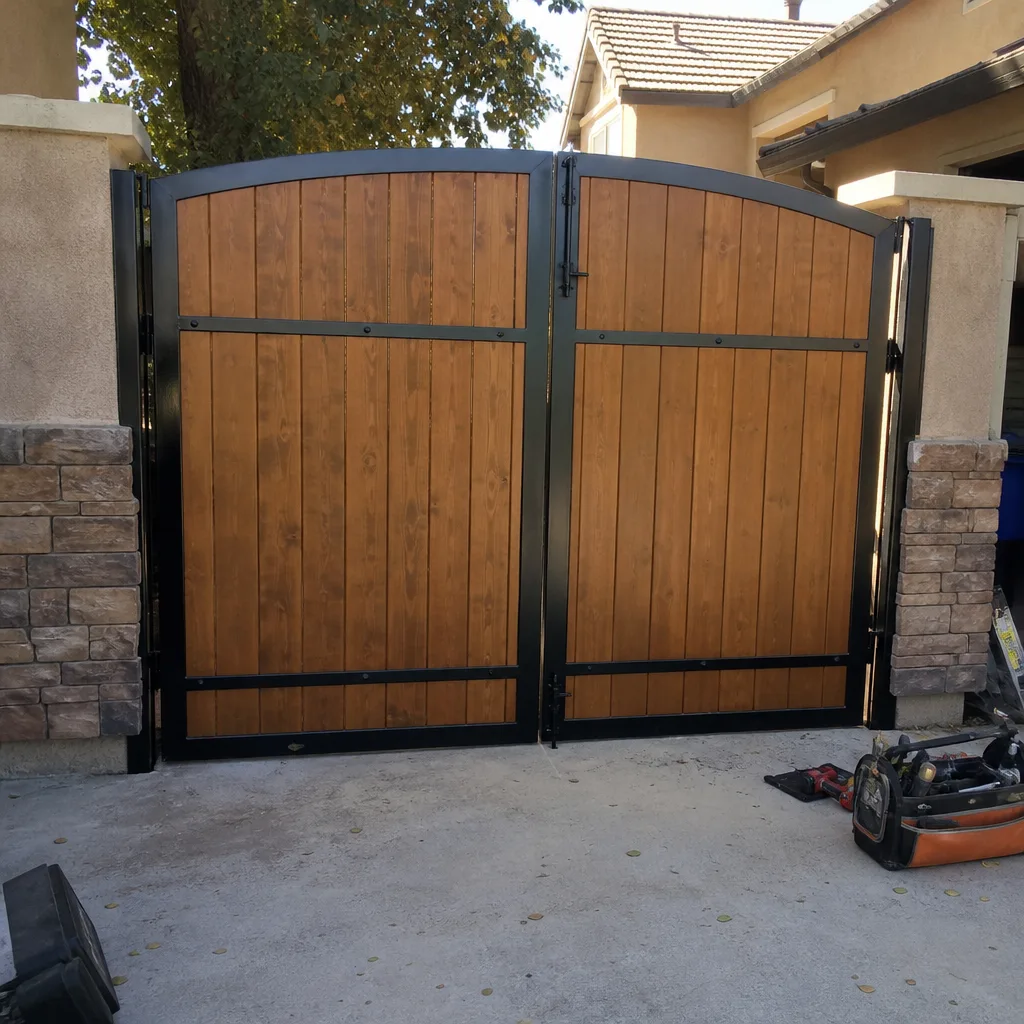
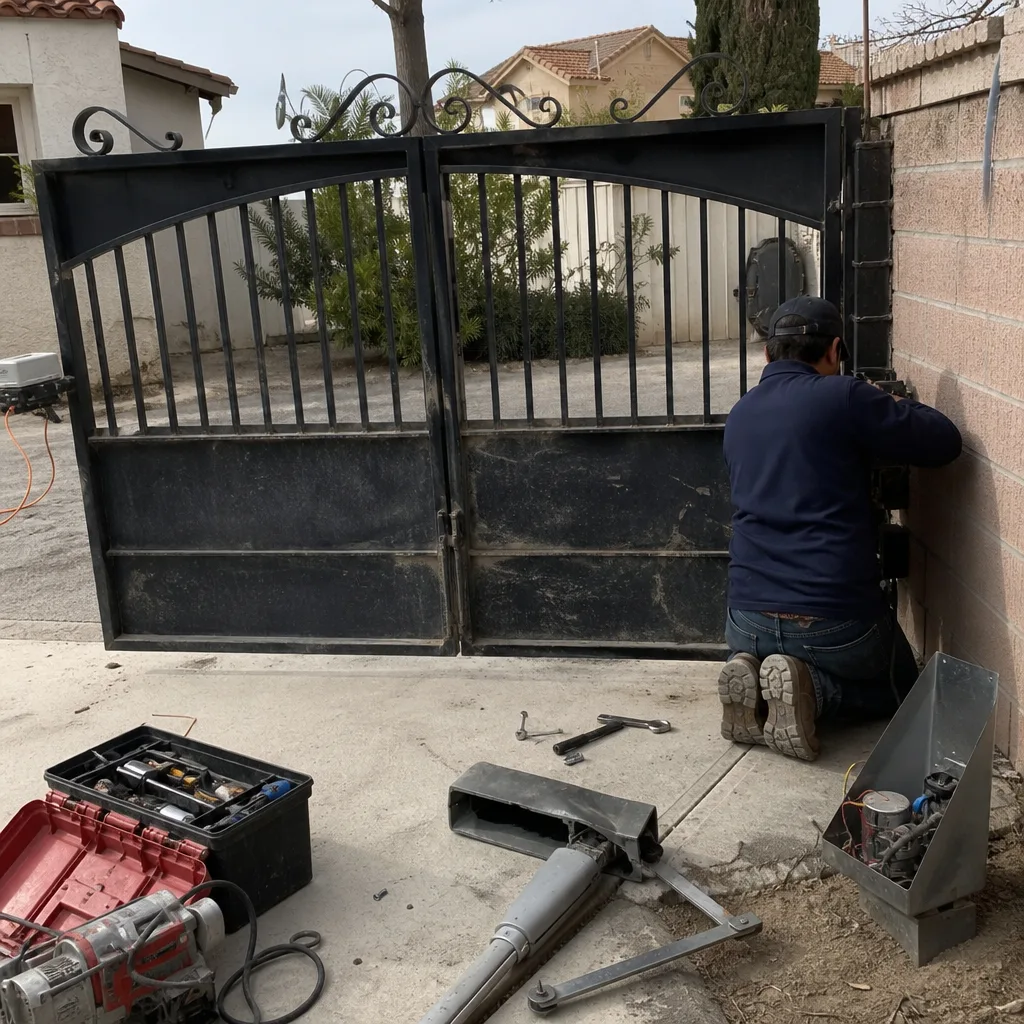
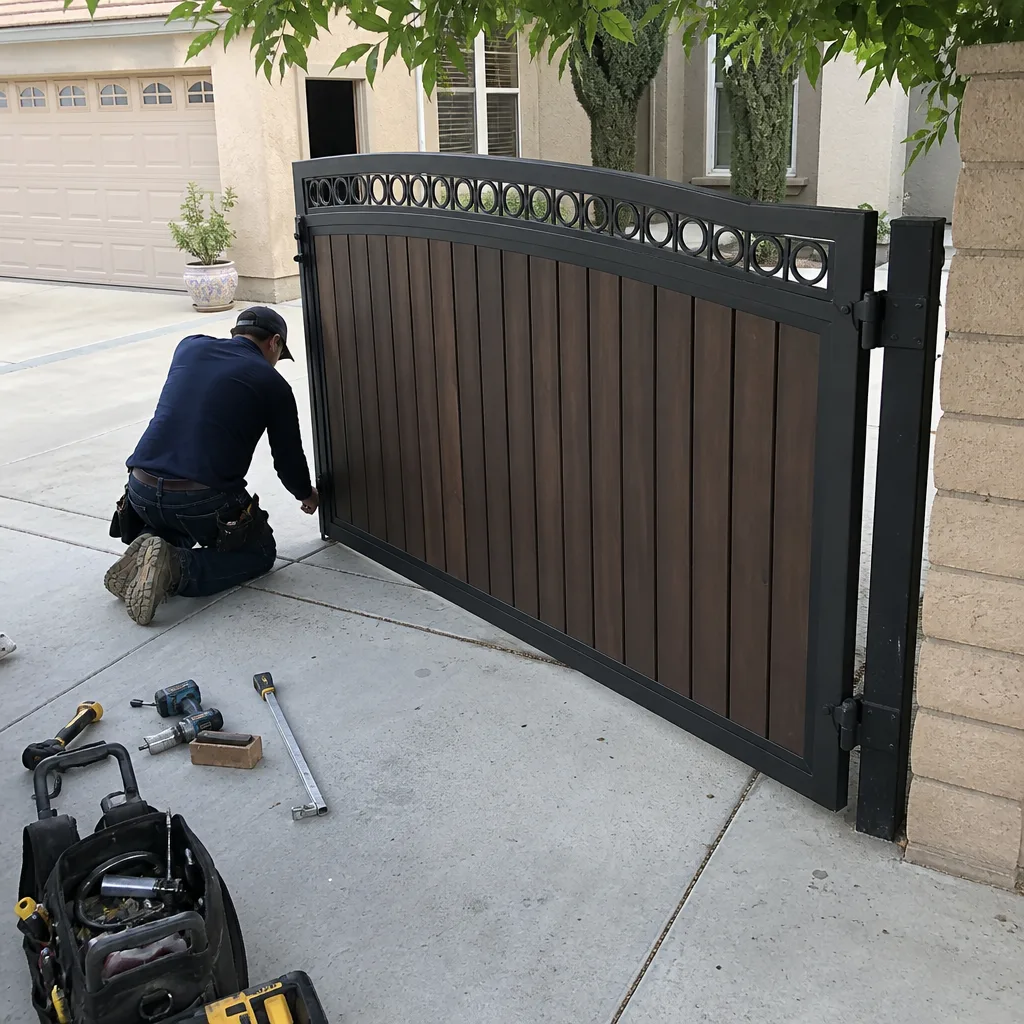
See the difference
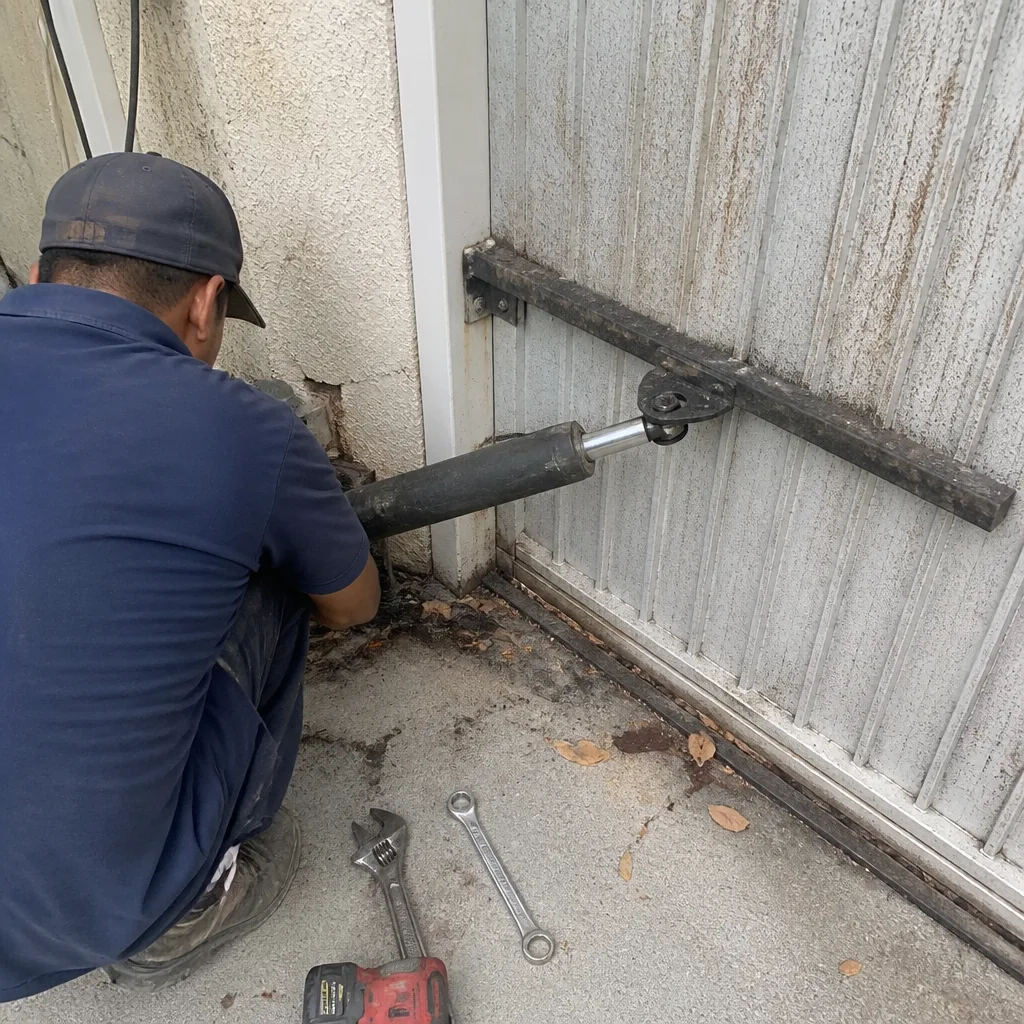 Before
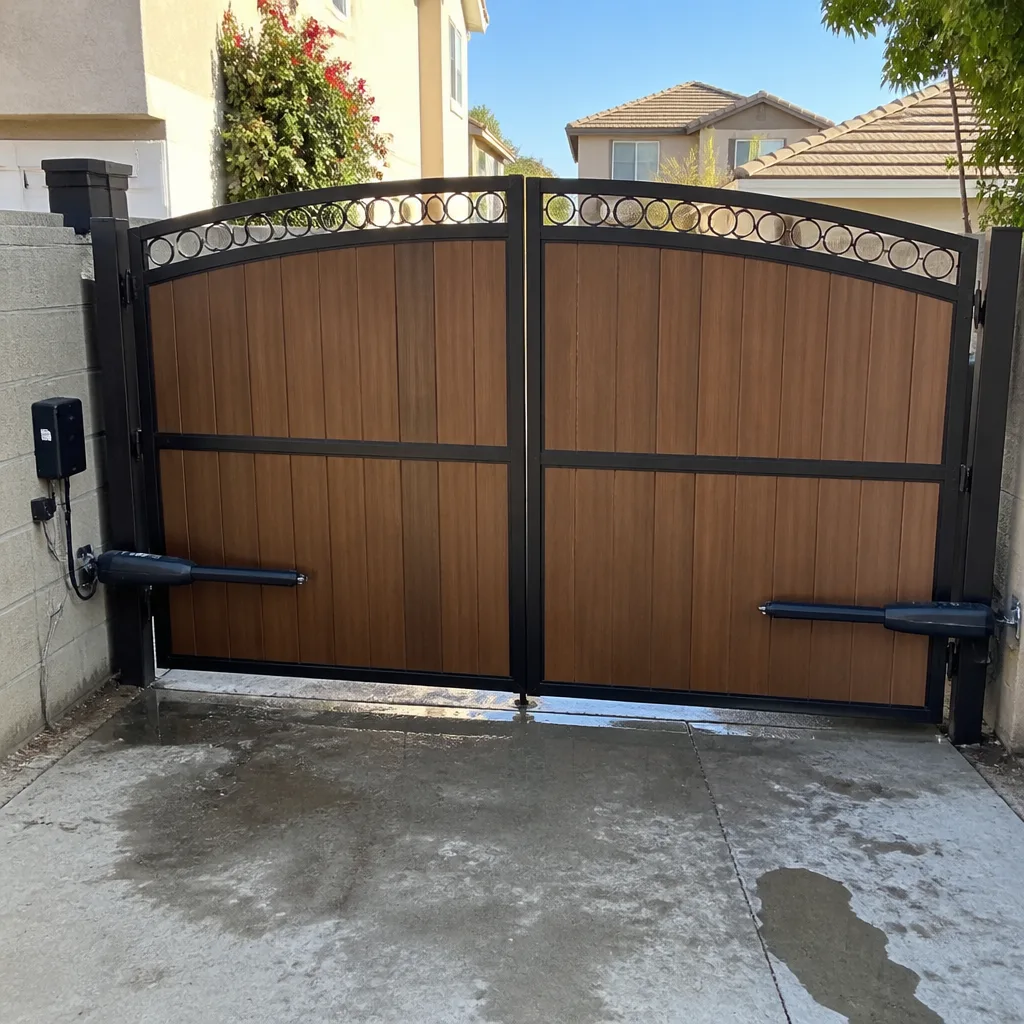 After
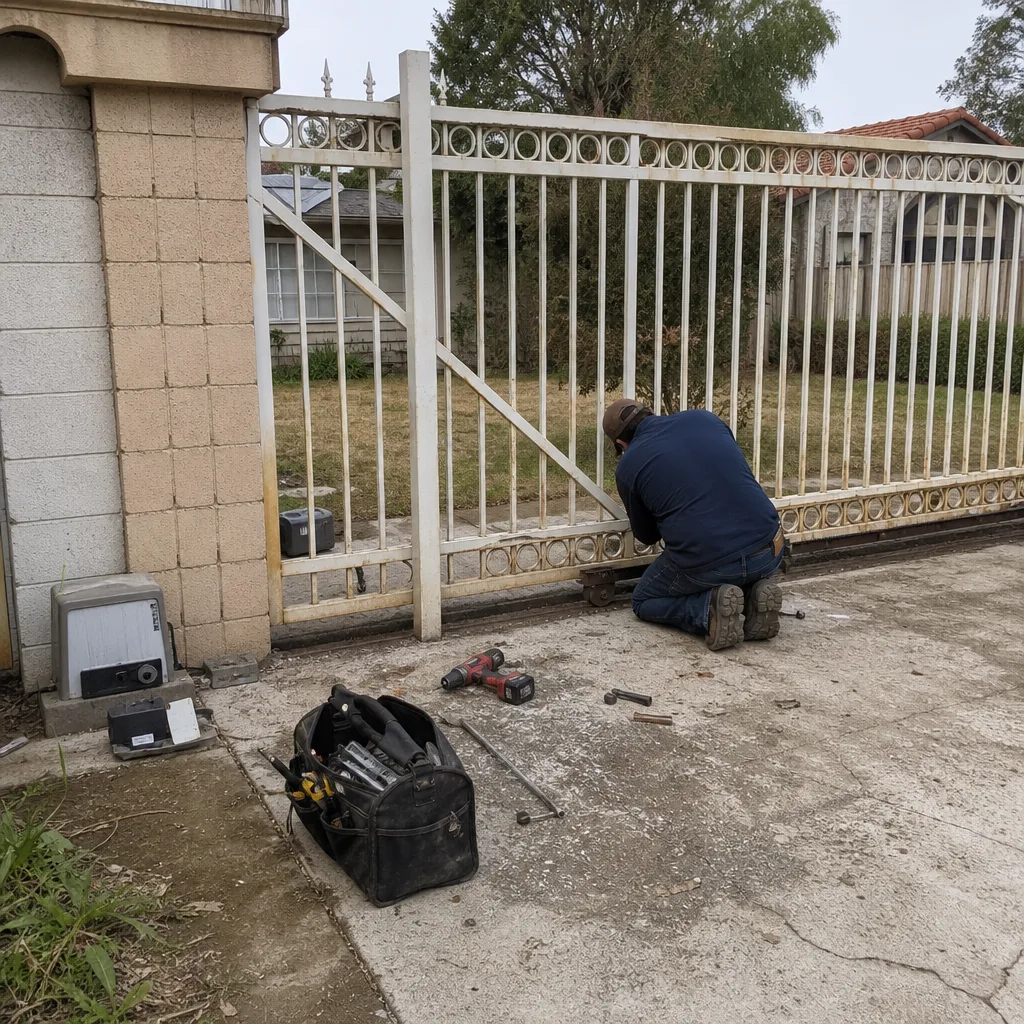 Before
 After
 Before
 After
When to Call a Professional
Some gate work is safe and reasonable to handle yourself: cleaning photo eye lenses, lubricating hinges, testing the manual release, replacing gate remote batteries. But any repair involving high-tension gate springs, electrical wiring, or control board diagnostics carries real risk. Swing gate springs under tension can cause serious injury if they let go. Wired gate operators connect to household or solar power, and probing around a live board without training is a fast way to turn a $150 repair into a fire hazard or an electrocution. If your gate uses an electric operator and you’re not certain what’s wrong, call a professional. The cost of a misdiagnosed repair is usually higher than the service call would have been. Gate Repair Lancaster offers free estimates in Lancaster, and we bring the right parts for your brand on the first trip. Call (855) 341-7657 to schedule.
Frequently Asked Questions
Gate repair in Lancaster typically costs between $150 and $850, with photo eye replacement at the low end ($120 – $250), hinge or roller replacement in the mid range ($180 – $450), and full operator or motor replacement at the high end ($900 – $2,200). The wide range reflects the difference between a simple wear-part swap and a complete automated system overhaul. Call (855) 341-7657 for an exact quote based on your gate’s brand and symptoms, with no charge for the estimate.
Heat-related gate failures in Lancaster usually point to a failing capacitor, a heat-damaged circuit board, or thermal overload protection in the motor kicking in to prevent damage. Sustained temperatures above 100°F cause solder joints to crack and capacitors to lose their charge. If your gate works fine in the morning and fails in the afternoon, the issue is almost certainly heat-sensitive electronics, not the gate structure itself.
Many common repairs, including photo eye replacement, capacitor swaps, limit switch corrections, and hinge adjustments, can be completed in a single visit. Same-day service availability depends on our current schedule and parts for your specific brand. Call (855) 341-7657 and describe your gate’s symptoms, and we’ll tell you honestly whether we can get to it today.
Look for a label or nameplate on the operator arm, the control box, or the motor housing. Common brands in Lancaster include Linear, Viking, Ghost Controls, and DoorKing, plus LiftMaster, FAAC, BFT, Elite, and Mighty Mule. The model number is usually printed next to the brand name. If you can’t find a label, take a photo of the operator and we can usually identify it during the service call.
Repair is usually the right call when the repair cost is under 40% of a replacement and the gate structure itself is sound. Replacement makes more sense when the repair exceeds 60% of new operator cost, multiple components have failed, or the gate has needed three or more repairs in 18 months. In Lancaster’s climate, an 8-year-old operator that’s lived its whole life outdoors in the heat is usually closer to replacement than repair.
Yes. We service both residential and commercial-grade systems across Lancaster and the Antelope Valley, including DoorKing and Viking operators that handle heavy slide gate applications. Commercial gate downtime creates security exposure and access disruption, so we prioritize diagnosis speed and carry brand-relevant parts to reduce return visits.
The Bottom Line
Gate repair in Lancaster is a different animal than gate repair in Los Angeles or Palmdale. The same operator that hums along for a decade in a coastal climate gets pushed to its limits here by heat, dust, and wind. The homeowners who get the longest life out of their gates in this city are the ones who maintain on a six-month schedule, document failures before they call, and don’t defer $200 repairs into $1,500 replacements. If your gate is acting up, the fastest path back to secure is a diagnosis from someone who knows your exact brand and this exact climate. Call (855) 341-7657 for a free estimate, or start with the gate repair page to understand what your specific problem involves.
Written by the team at Gate Repair Lancaster, serving Lancaster since 2015.