
Last updated November 2, 2026
 Wrought iron
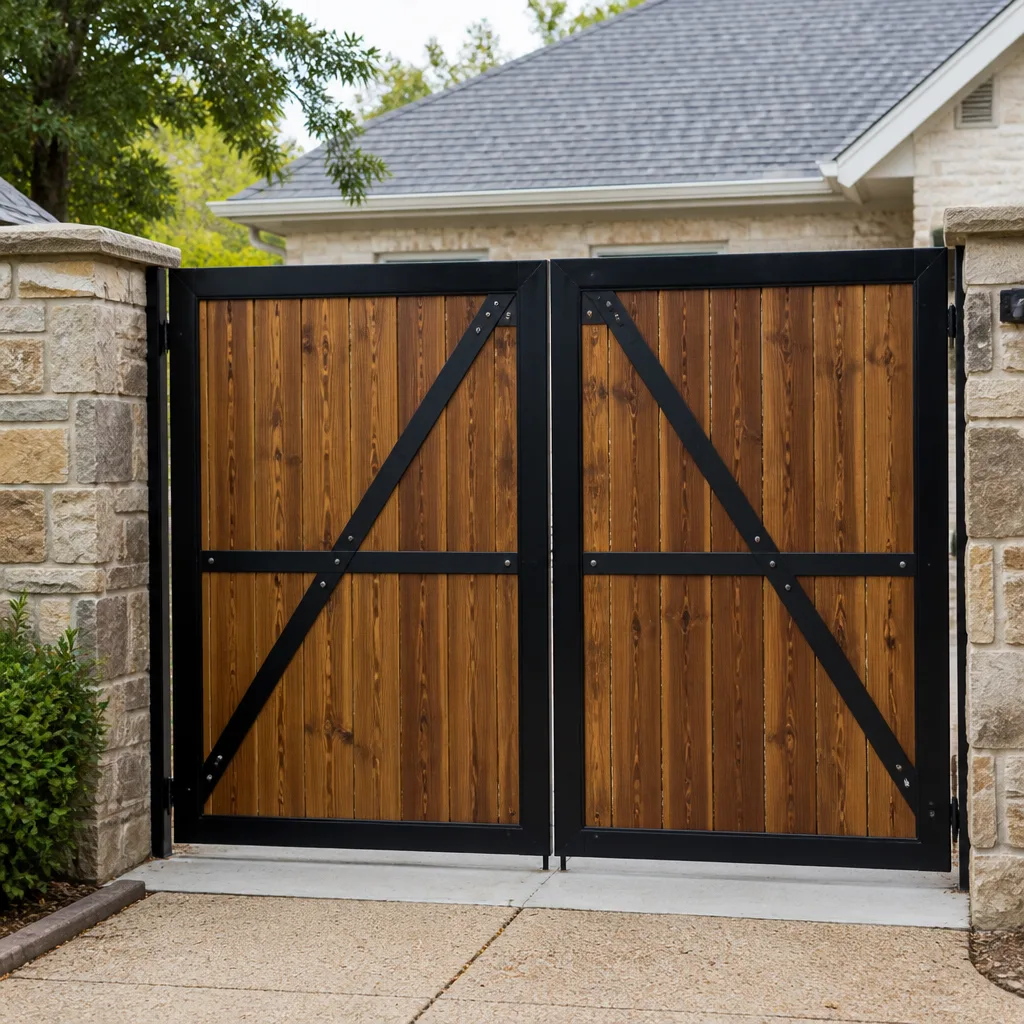 Wood & steel frame
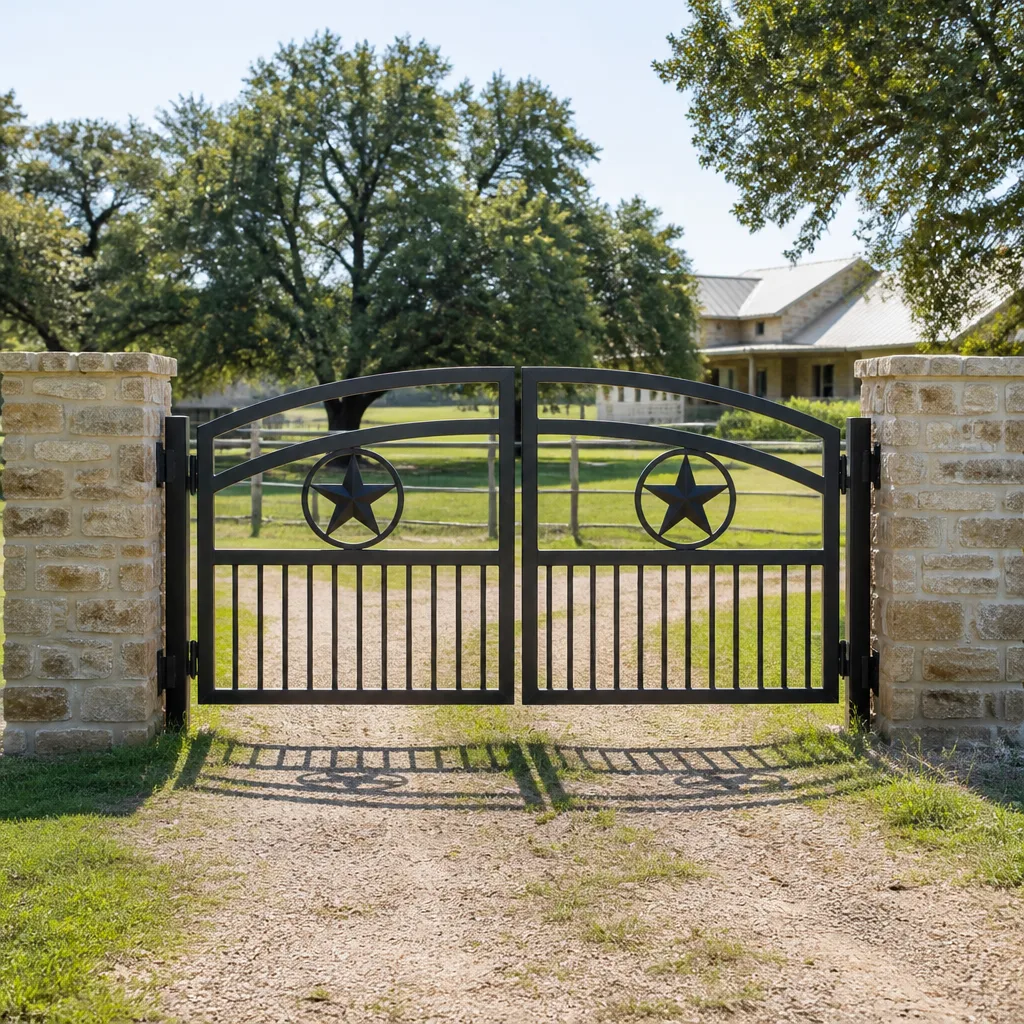 Farm & ranch
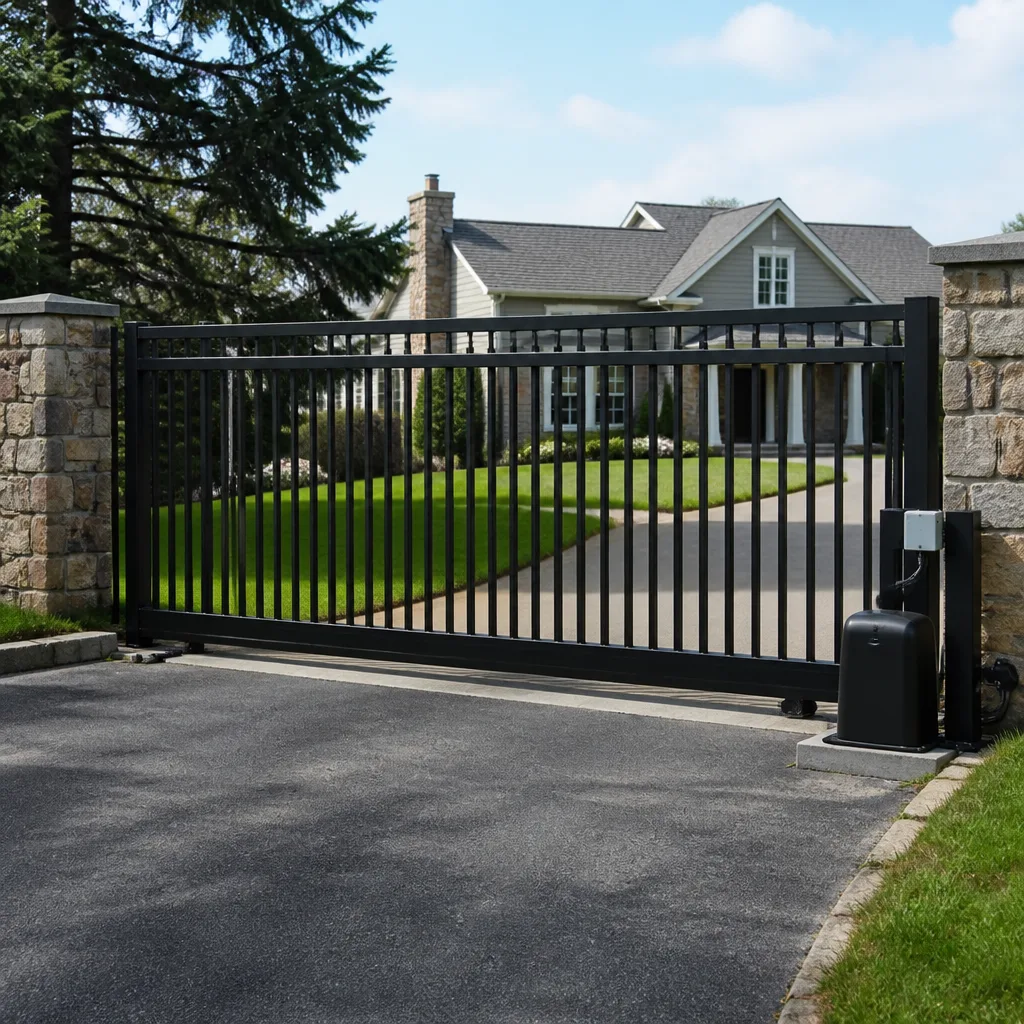 Sliding driveway gates
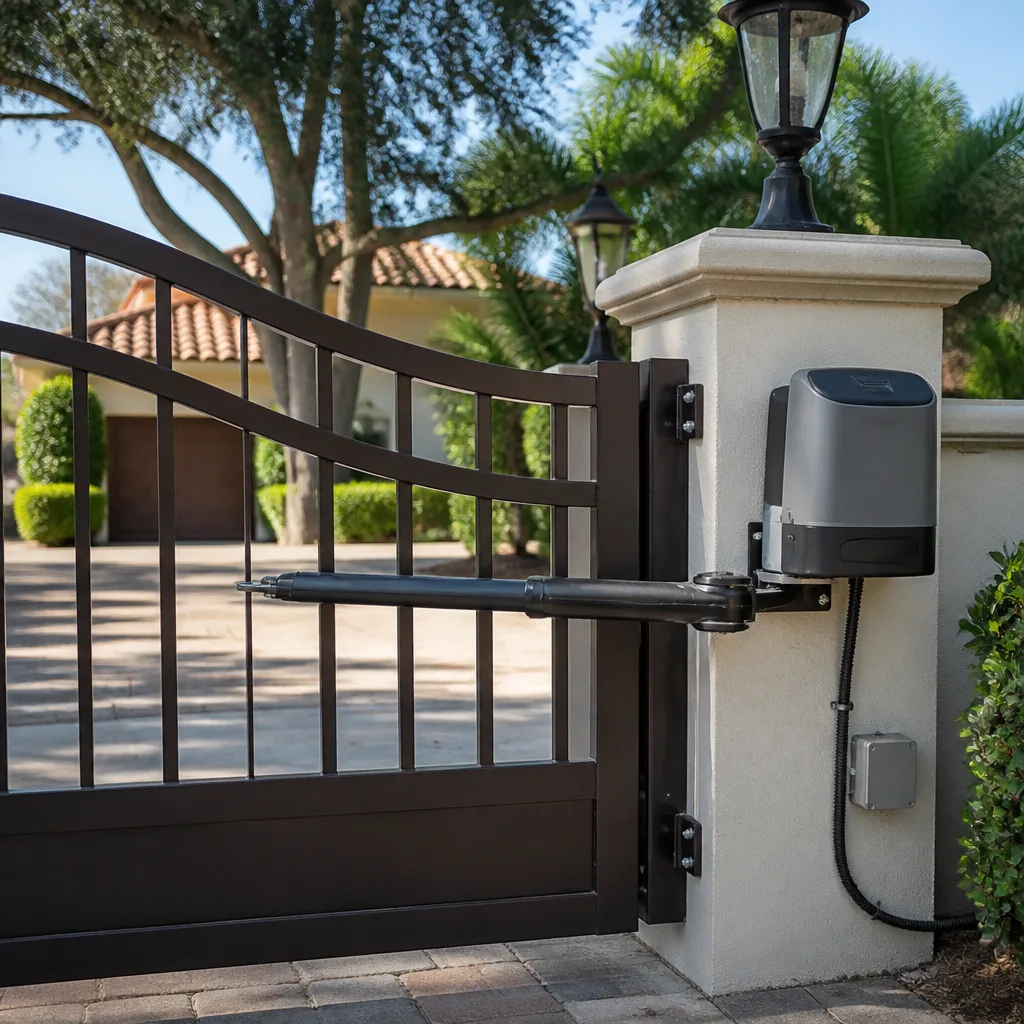 LiftMaster operators
Free on-site gate assessment - hinges, posts, and your LiftMaster or Nice gate operator checked before anything is quoted
The assessment is free and the quote is the invoice.
Get your free estimateGate Repair Permits, Codes & Inspections in CA: What You Need to Know
California’s Title 24 and UL 325 both apply to automated gate systems, but homeowners in Lancaster almost never hear about them until an insurance claim is denied after a gate strikes a vehicle or a person. The gap between what gets installed and what gets permitted is wider in the Antelope Valley than most property owners realize. This guide maps exactly where county permits, state electrical codes, and federal safety standards intersect on a residential or light commercial gate project, and where the liability actually lands when something goes wrong. You’ll learn what triggers a permit in the City of Lancaster versus unincorporated Los Angeles County, how UL 325 changes what a gate opener can legally do, and how to check whether the gate already on your property can pass an inspection when you decide to sell.
Styles & brands we work with
- Wrought iron
- Wood & steel frame
- Farm & ranch
- Sliding driveway gates
- LiftMaster operators
Quick Answer
Most gate repairs in California do not require a building permit, including board replacement, hinge work, wheel or track service, and control board swaps. The exceptions that do trigger permits or code compliance are motor replacements that alter the operator’s UL 325 entrapment protection system, structural post or footing work, and new electrical or access control wiring. If your Lancaster property is in an HOA, that association’s architectural rules apply on top of county code and are enforced separately.
Table of Contents
- What Actually Triggers a Gate Permit in Lancaster and Los Angeles County
- UL 325 Compliance: Why It’s the Standard That Decides Liability
- Title 24 and Gate Automation: The Electrical Side of the Code
- City of Lancaster vs. Unincorporated LA County: Two Different Permitting Worlds
- The HOA Overlay: Rules That Exist Outside County Code
- How to Check Whether an Existing Gate Was Permitted and What to Do If It Wasn’t
- The Inspector’s Checklist: What Gets Flagged Most in Gate Inspections
- Common Mistakes to Avoid
- When to Call a Professional
- Frequently Asked Questions
- The Bottom Line
What Actually Triggers a Gate Permit in Lancaster and Los Angeles County
A broken hinge, a sagging gate leaf, a dead battery in a Mighty Mule opener, or a worn roller on a sliding track: none of these require a building permit anywhere in Los Angeles County. A permit enters the picture when the work crosses from repair into modification of the structure, the electrical system, or the operator’s safety function. The line is clearer than most contractors admit.
Work that requires a Los Angeles County building permit for gate projects includes:
- New gate installation where posts are set in concrete, especially any post over 4 feet in height. The footing depth and diameter are checked against wind load requirements specific to the Antelope Valley’s high-desert gusts.
- Structural post replacement when a post rots, bends, or is struck by a vehicle. If the new post requires excavation, concrete, or changes the gate’s load path, it needs a permit.
- New electrical runs to power an automated gate operator. Running 120-volt branch circuit wiring from a panel to a gate post is electrical work that falls under California Electrical Code, which Los Angeles County enforces through its own inspection process.
- Replacing an operator with a different model that changes the entrapment protection configuration. Swapping a Linear actuator for a BFT hydraulic operator, for example, changes how the gate reverses on contact and what external sensors are required.
- Access control additions that alter the low-voltage wiring plan: keypad posts, telephone entry pedestals, vehicle loop detectors cut into the driveway, or card readers mounted on a new gooseneck.
In our experience working gate systems across Lancaster, the work most likely to fly under the radar is exactly this last category. A property owner adds a keypad, a loop detector, and a new Viking operator to an existing gate, considers it an upgrade, and never files. Two years later, the gate fails to reverse when a delivery truck is crossing the plane of the gate, the bumper gets crushed, and the insurance adjuster asks for the permit file. That conversation does not go well.
What does not require a permit is routine service: replacing a control board, swapping out a worn chain or belt, adjusting limit switches, replacing a photo eye, tightening and lubricating hinges, and resurfacing or replacing individual pickets on a residential fence-gate assembly. If you’re doing any of that, you’re in repair territory and can proceed without a trip to the county building office. For a broader look at what qualifies as repairable work, see Gate Repair in Lancaster.
UL 325 Compliance: Why It’s the Standard That Decides Liability
UL 325 is a safety standard published by Underwriters Laboratories that governs automatic gate operators and the entrapment protection devices connected to them. It is not a law passed by Congress, but it functions like one in practice because every major gate operator manufacturer, from Ghost Controls to BFT, designs equipment to meet it. A gate system that does not meet UL 325 is, by definition, not installed to manufacturer specification, which voids warranties and gives an insurance carrier a concrete reason to deny a claim after an injury or property damage incident.
The core requirement of UL 325 for gate operators is that the system must reduce the risk of entrapment, which is the term for a person or object being caught, crushed, or pinned by a moving gate. The standard requires two independent layers of protection: inherent entrapment protection built into the operator itself, and external entrapment protection devices installed in the field.
Inherent protection refers to the operator’s internal current sensing or obstruction detection. When a gate strikes resistance, the motor should sense the load increase and reverse direction. External protection refers to devices like photo eyes, which project an invisible beam across the gate’s path and reverse the gate when the beam is interrupted, and contact edges, which are pressure-sensitive strips mounted on the leading edge of the gate that trigger reversal when compressed.
UL 325 also classifies gate operators by usage class:
- Class I: Residential, single-family use. The standard assumes the gate will see limited cycles per day and that users are familiar with the system.
- Class II: Commercial or general public access, such as a small apartment complex, a parking lot, or a multi-tenant property. The operator must meet stricter monitoring requirements.
- Class III: Industrial or high-security use with restricted access and a trained user population.
- Class IV: High-cycle commercial, such as a guard-gated community with continuous traffic.
The class determines how many external entrapment protection devices are required and how the operator must be monitored. An unpermitted gate install in Lancaster frequently fails UL 325 because the installer used a Class I residential operator on what is functionally a Class II property, or skipped the external photo eye entirely because the operator’s internal current sensing “seemed good enough.” It is not good enough, and a UL 325 compliance failure is a discoverable fact in any lawsuit involving a gate that struck a person or vehicle.
For automated gate work in Lancaster, the operator brand matters because each manufacturer has different wiring and sensor requirements for UL 325 compliance. An Electric Gate Repair in Lancaster that does not account for whether a system is Linear, BFT, or Ghost Controls is a repair that may pass a visual check and still fail the standard.
Title 24 and Gate Automation: The Electrical Side of the Code
Title 24 of the California Code of Regulations is the state’s building standards code. Part 6 of Title 24 is the California Energy Code, but the part that controls gate automation is Part 3, the California Electrical Code, which adopts the National Electrical Code with California amendments. When a Lancaster contractor pulls a permit for a new automated gate or a motor replacement that involves wiring, the electrical portion of the work gets inspected against the California Electrical Code.
What this means for a gate project is specific:
- Conduit and burial depth: Direct-buried cable for a gate operator must be buried at least 18 inches below grade for a 120-volt branch circuit unless the cable is installed in rigid metal conduit, intermediate metal conduit, or another approved raceway that allows a shallower cover depth. Low-voltage control wiring has different depth requirements. In Lancaster’s hard, alkaline desert soil, shallow-buried direct cable fails fast, both physically and on inspection.
- Grounding and bonding: Metal gate frames and posts within reach of electrical equipment must be bonded to the equipment grounding conductor. This is one of the most commonly missed details on residential gate installs. The gate looks fine, works fine, and fails inspection because the steel post was never bonded.
- GFCI protection: Any 120-volt receptacle or circuit serving a gate operator in an outdoor location must have ground-fault circuit interrupter protection. If the operator is hardwired, the circuit must comply with the outdoor branch circuit requirements, which include a disconnect means within sight of the operator.
- Clearance and access: The electrical enclosure for the operator must remain accessible. An operator buried behind a planter, enclosed in a box that can no longer be opened without cutting into stucco, or positioned so the disconnect cannot be reached is a code violation.
For low-voltage access control wiring, including keypads, loop detectors, and the wiring between a vehicle detector and the operator, the California Electrical Code classifies these as Class 2 circuits when they are power-limited. That classification relaxes some installation requirements, but the wiring must still be listed for outdoor use and installed in a manner protected from physical damage and UV exposure. In the Antelope Valley, UV is not a minor concern. Unjacketed thermostat wire stapled to a fence post will degrade within a few summers and start generating false signals or dead keypads.
City of Lancaster vs. Unincorporated LA County: Two Different Permitting Worlds
Lancaster is an incorporated city with its own building and safety department, which means city residents do not go through Los Angeles County for permits. The City of Lancaster issues its own permits and conducts its own inspections under the California Building Standards Code. Unincorporated areas of the Antelope Valley that carry a Lancaster mailing address but are outside the city limits fall under the Los Angeles County Department of Building and Safety, which uses a different application process and, in some cases, different administrative procedures.
Why this matters for a gate project:
- Application process: City of Lancaster permits run through the city’s building department. County permits for unincorporated parcels run through LADBS, often requiring a trip to the nearest district office. The time to plan check and issue is different, and the inspection scheduling system is different.
- Fees: The City of Lancaster and Los Angeles County use different fee schedules. A gate permit might cost a few hundred dollars in one jurisdiction and less or more in the other. The exact number changes year to year, so the only reliable approach is to confirm before filing.
- Plan check threshold: Some jurisdictions require a site plan and elevation drawing for any gate over a certain height or any automated gate. This threshold is not identical between the city and the county. A gate that sails through one jurisdiction’s over-the-counter permit might need a plan check in the other.
- Inspection availability: The city typically has shorter lead times for inspection scheduling. The county is a larger jurisdiction with more inspectors covering more geography, so a gate inspection in an unincorporated area near a rural Lancaster parcel may take longer to schedule.
One point that creates regular confusion: a mailing address that says Lancaster does not tell you whether the parcel is in the city. There are thousands of properties in the unincorporated county with Lancaster addresses that are not within city limits. A contractor who assumes city rules apply is filing the wrong paperwork. The only way to know is to check the parcel against the city boundary map, which the city publishes, or ask the county assessor’s office.
For a homeowner planning a Gate Installation in Lancaster, confirming jurisdiction before the project starts is the single most important administrative step. It determines which office you visit, what fees you pay, and which inspector walks the final.
The HOA Overlay: Rules That Exist Outside County Code
Homeowners associations in Lancaster and the surrounding Antelope Valley communities impose their own architectural controls on gates, fencing, and automated access equipment. These rules exist in a completely separate enforcement universe from Los Angeles County building permits. A gate project can pass final city or county inspection and still violate the HOA’s covenants, conditions, and restrictions, which exposes the homeowner to fines, forced removal, or legal action from the association.
Common HOA gate rules we see across Lancaster communities:
- Height restrictions: County code may allow a gate up to a certain height at the front setback, but many HOAs restrict front gates to 4 or 5 feet and reserve taller gates for side or rear yards. The HOA’s restriction is the one that controls on the aesthetic side.
- Style and material mandates: Some HOAs require wrought iron or a specific finish, prohibit chain link gates visible from the street, or require that the gate match the fencing style already used in the community. A perfectly safe and permit-compliant tube steel gate can still be ordered removed if the HOA’s design review says no.
- Automation disclosure: Not every HOA allows automated swing gates in the front yard. The rationale is usually traffic safety or access for delivery vehicles, but the effect is the same: you may be able to install a manual gate without issue and then hit a wall when you want to put an operator on it.
- Backup access requirements: Some associations with automated entry gates require a Knox box, push-button egress, or a manual release mechanism that the fire department can operate. This overlaps with fire code but often exceeds it because the HOA is responding to a past incident.
The practical sequence for a Lancaster homeowner is this: check the HOA’s architectural guidelines first, because the HOA review process often takes weeks, and only then pull the county or city permit. Doing it in reverse means you may pay for a permit and begin construction on a design the HOA later rejects. That is an expensive way to learn which rulebook controls.
How to Check Whether an Existing Gate Was Permitted and What to Do If It Wasn’t
If you bought a house with an existing automated gate, or you inherited a commercial property in Lancaster with a gate system that has been there for years, the permit status of that gate is a question you should be able to answer. It becomes urgent when you sell the property, when you file an insurance claim involving the gate, or when you want to modify the system and the building department asks about the existing condition.
Here is the step-by-step process to verify a past gate installation:
- Determine jurisdiction. Confirm whether the parcel is within the City of Lancaster or unincorporated Los Angeles County. This is the step most people skip, and it sends them to the wrong records office.
- Request the permit history. The City of Lancaster Building Department and the Los Angeles County Department of Building and Safety both offer records request processes. You need the property’s assessor parcel number, not just the street address.
- Search for gate-specific permits. The permit history may list a “gate,” “automatic gate,” “electrical for gate operator,” or simply a generic “fence” permit. A permit labeled “fence” may or may not have covered the gate. If the permit file includes an inspection card with a final signed line for the gate or the electrical, that is what you need to see.
- Check for a final inspection record. A pulled permit is not the same as a passed inspection. Many permits expire without a final. If the permit was issued but never finaled, the gate is not in compliance regardless of how long it has been operating.
- Document what you find. If the gate was permitted and finaled, keep those records with the property file. If it was not, you now know the scope of the problem.
What remediation looks like if the gate was never permitted depends on what was built. If the electrical work is the only unpermitted piece, the homeowner can often pull a permit after the fact for the wiring, have it inspected, and bring the electrical portion into compliance. The building department may require the work to be exposed for inspection, which means trenching or opening walls if the conduit is buried or enclosed. If the operator installation itself was never permitted and does not meet UL 325, remediation means bringing the entrapment protection up to standard, which may require adding a photo eye, adding a contact edge, upgrading the operator, or replacing an operator that cannot be made compliant.
In some cases, the most cost-effective remediation is not to try to legalize a poorly installed system but to replace it with a new, correctly specified operator and wire the retrofit to current code. The gap between repairing an old Viking swing gate operator and replacing it with a Ghost Controls system that meets current UL 325 requirements is smaller than most owners expect, especially once the cost of a failed inspection and a second visit is factored in.
The Inspector’s Checklist: What Gets Flagged Most in Gate Inspections
Gate inspections in Lancaster and Los Angeles County focus on the items that fail most often in the field. The inspector is not checking whether the gate looks nice. The inspector is checking whether the structure is safe, the electrical work is compliant, and the operator meets the entrapment protection requirements in force at the time of the inspection.
Based on what we see when we repair or retrofit gates after failed inspections, here are the most common failures:
- Missing or misaligned photo eyes. UL 325 requires external entrapment protection for most automated gate applications. A photo eye that is mounted too high, too low, misaligned across the gate’s path, or missing entirely is the number one inspection failure on automated gates.
- Unbonded metal gate frame. The gate’s steel posts and frame must be bonded to the electrical grounding system. A gate that is grounded through the operator chassis alone does not pass.
- No disconnect means at the operator. The electrical code requires a disconnecting means within sight of the operator so a technician or first responder can kill power at the location. An operator wired directly to a panel on the far side of the property fails inspection.
- Improper burial depth for conduit or cable. Antelope Valley soil is compacted and hard, which tempts installers to bury cable shallow. Shallow burial fails inspection when the trench is still open, and fails later when the cable gets nicked by a shovel or crushed by a vehicle.
- Inadequate post footings. A gate post that is not set in enough concrete or in a footing of insufficient diameter for the gate height and weight will move under load. The inspector checks footing depth and diameter against the structural requirements, not against what the installer thought looked sufficient.
- Operator class mismatch. A Class I residential operator installed on a class II application is a UL 325 violation. The inspector will look at the operator’s labeling and the property type and fail the inspection if the class does not match.
- Missing or non-functional safety signage. UL 325 requires specific warning signage on automated gates, including the moving gate warning sign. A gate without the required signage does not pass final inspection.
Each of these failures is avoidable. They happen because a generalist installer does the work without understanding what the inspector is actually checking, or because the work was never permitted in the first place and was never subjected to inspection. For more on the systems that typically need this level of correction, see our Gate Repair Lancaster home service overview.
Common Mistakes to Avoid
- Assuming gate work is always permit-exempt. Most repairs are, but motor replacements, structural post work, and new electrical are not. Assuming the exception does not apply to your project is how unpermitted work happens.
- Trusting a contractor who says they will handle the permit and then never files. A contractor who takes payment for the project and the permit but never files the paperwork leaves the homeowner with the liability. Ask to see the permit before work begins.
- Replacing an operator without checking the UL 325 class. Swapping a residential operator onto a property that functions as commercial or multi-tenant access creates an immediate compliance gap, even if the gate opens and closes fine on day one.
- Ignoring the HOA because county code allows it. HOA rules are independently enforceable and can require you to remove or modify work that passed county inspection. Two reviews, not one.
- Skipping photo eyes to save a few hundred dollars. External entrapment protection is the cheapest insurance you will ever buy on an automated gate. Skipping it is not a cost savings; it is a liability transfer to the property owner.
- Burying electrical cable at whatever depth the shovel allows. Antelope Valley soil is unforgiving. Shallow cable fails both inspection and real-world use. Dig the correct depth.
- Filing in the wrong jurisdiction. A Lancaster mailing address does not equal City of Lancaster jurisdiction. Confirm the parcel before you file.
When to Call a Professional
There are gate repairs a capable homeowner can handle: swapping a control board on a Ghost Controls opener, adjusting a limit switch, replacing a photo eye. But the moment the work touches a permit, a code compliance question, or a UL 325 entrapment protection system, a specialist is the only sensible call. An automated gate that fails to reverse can kill or seriously injure someone. The safety systems on these gates exist because the consequences of failure are not hypothetical.
Call a professional when the work involves motor replacement, new electrical runs, access control wiring, structural post repair, or any repair on a system that you suspect was installed without a permit. A gate specialist who works on your exact brand, whether that is Viking, BFT, Linear, or Ghost Controls, can diagnose by the system and correct the code issues before an inspector ever arrives. Gate Repair Lancaster offers free estimates in Lancaster. Call (855) 341-7657 to schedule a visit.
Frequently Asked Questions
No, most gate repairs in Lancaster do not require a building permit. Replacing a control board, repairing hinges, swapping a photo eye, adjusting limits, and replacing a battery are all permit-exempt repairs. A permit becomes necessary when the work changes the electrical system, replaces a post or footing, or replaces the operator with a different model that changes the UL 325 entrapment protection configuration. Call (855) 341-7657 if you are not sure whether your specific repair crosses that line.
UL 325 is the safety standard for automatic gate operators that sets requirements for entrapment protection devices like photo eyes and contact edges. It matters because a gate that does not meet UL 325 is not installed to manufacturer specification and creates a liability exposure for the property owner. If a gate strikes a person or vehicle and the operator was not UL 325 compliant as installed, the insurance claim and any lawsuit that follows become significantly more difficult to defend.
Request the permit history for your parcel from the City of Lancaster Building Department if you are within city limits, or from Los Angeles County Department of Building and Safety if you are in an unincorporated area. You will need your assessor parcel number. Look for any permit referencing a gate, fence, or electrical work for a gate operator, and check whether the permit received a final inspection. A pulled permit without a final inspection is not a compliant installation.
Unpermitted gate work, especially unpermitted electrical and automated operator work, becomes a disclosure issue when you sell. Buyers and their lenders increasingly want to see permit records for automatic gates. Remediation typically involves pulling a permit after the fact, exposing the electrical work for inspection, correcting any UL 325 deficiencies, and obtaining a final sign-off. The cost varies depending on what was installed, but it is far lower before an offer is on the table than after an inspection contingency finds it.
Yes. An HOA in Lancaster can impose height, style, material, and automation restrictions that are stricter than county code and are enforced independently. A gate that passes city or county inspection can still violate HOA architectural guidelines. Check the HOA rules before filing for a county permit so you do not pay for permits on a design the association rejects.
Yes. We inspect automated gate systems across Lancaster for UL 325 compliance, electrical code issues, and general safety problems, and we provide a written list of what needs correction and what does not. Estimates are free, and the price is quoted and agreed before any work starts. Call (855) 341-7657 to schedule a visit.
The Bottom Line
Gate repair permits in California are not the mystery they are made out to be. Most repair work is exempt. The work that does require permits, namely motor replacements, structural post changes, and new electrical or access control wiring, is also exactly the work that carries the highest liability when it is done without a permit. UL 325 compliance is the safety standard that determines whether an automated gate can injure someone, and Title 24 governs the electrical system that powers it. Lancaster homeowners and property managers who check jurisdiction before they file, check the HOA before they build, and verify permit history before they sell will never face the insurance claim denial scenario that this guide opened with. And when the work needs a specialist, we are here. Call (855) 341-7657 for a free estimate on any gate repair, electric gate repair, or Gate Installation in Lancaster project.
Written by the team at Gate Repair Lancaster, serving Lancaster since 2015.
See the difference
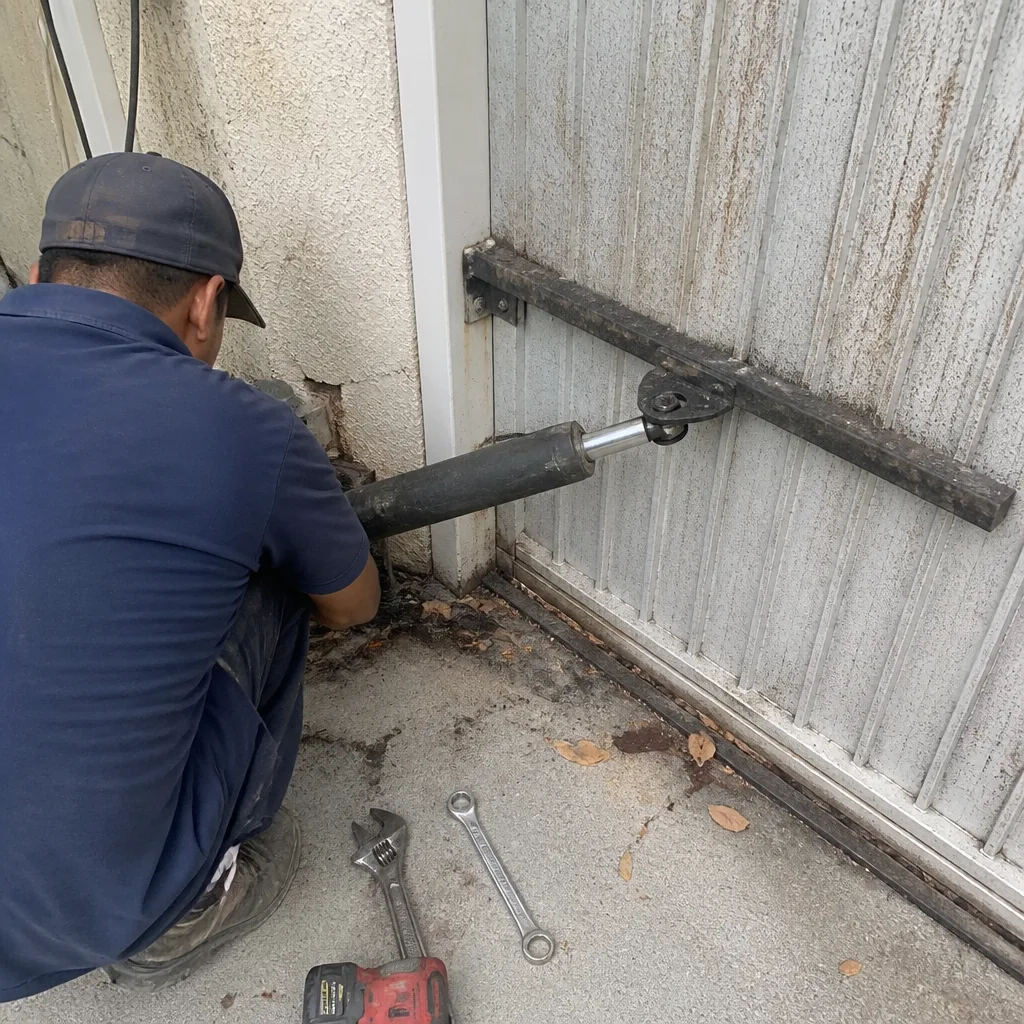 Before
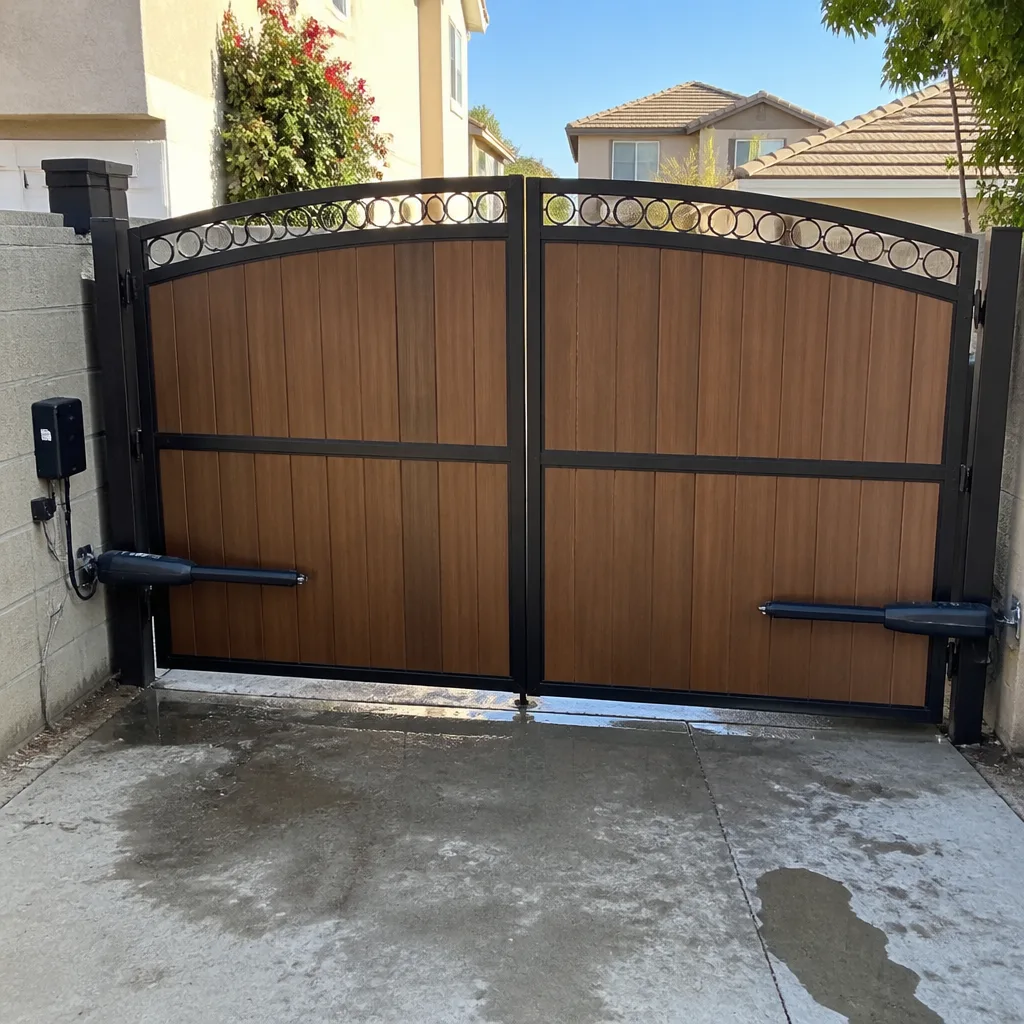 After
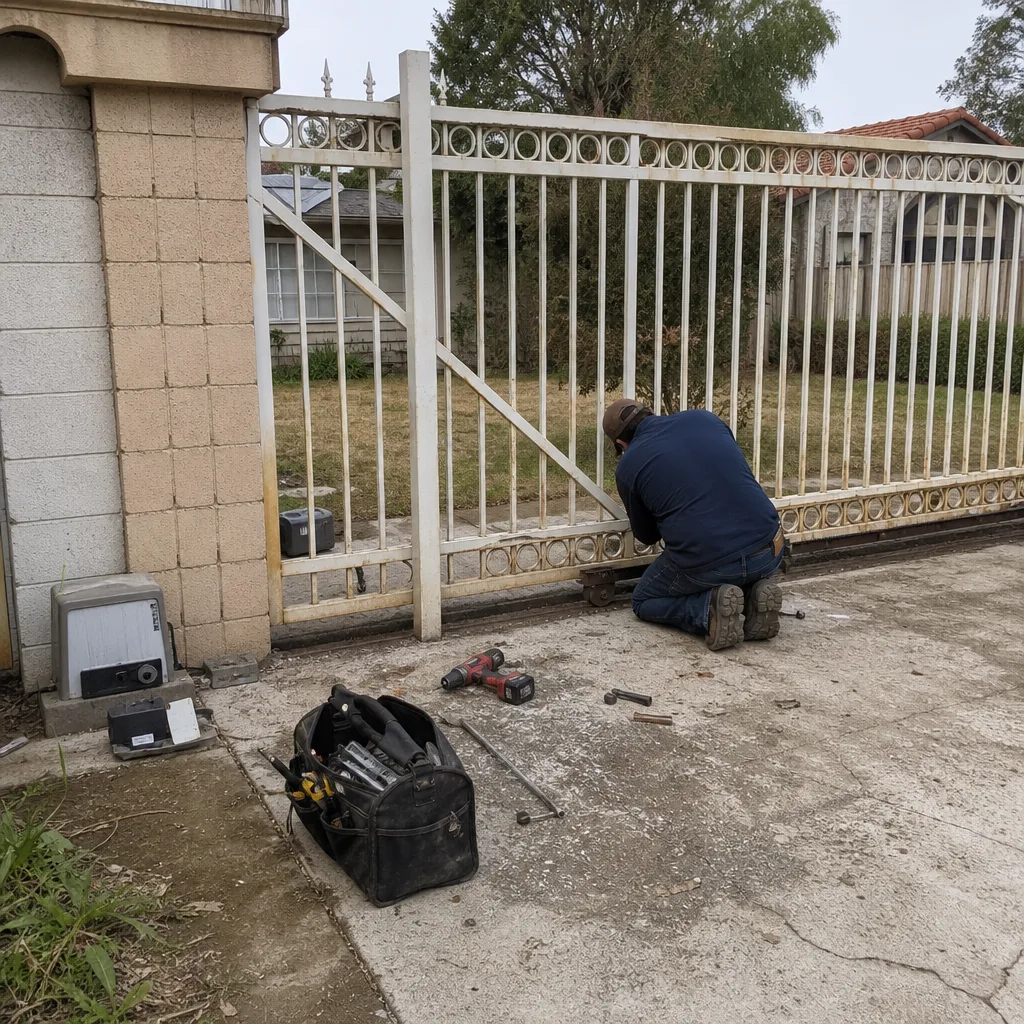 Before
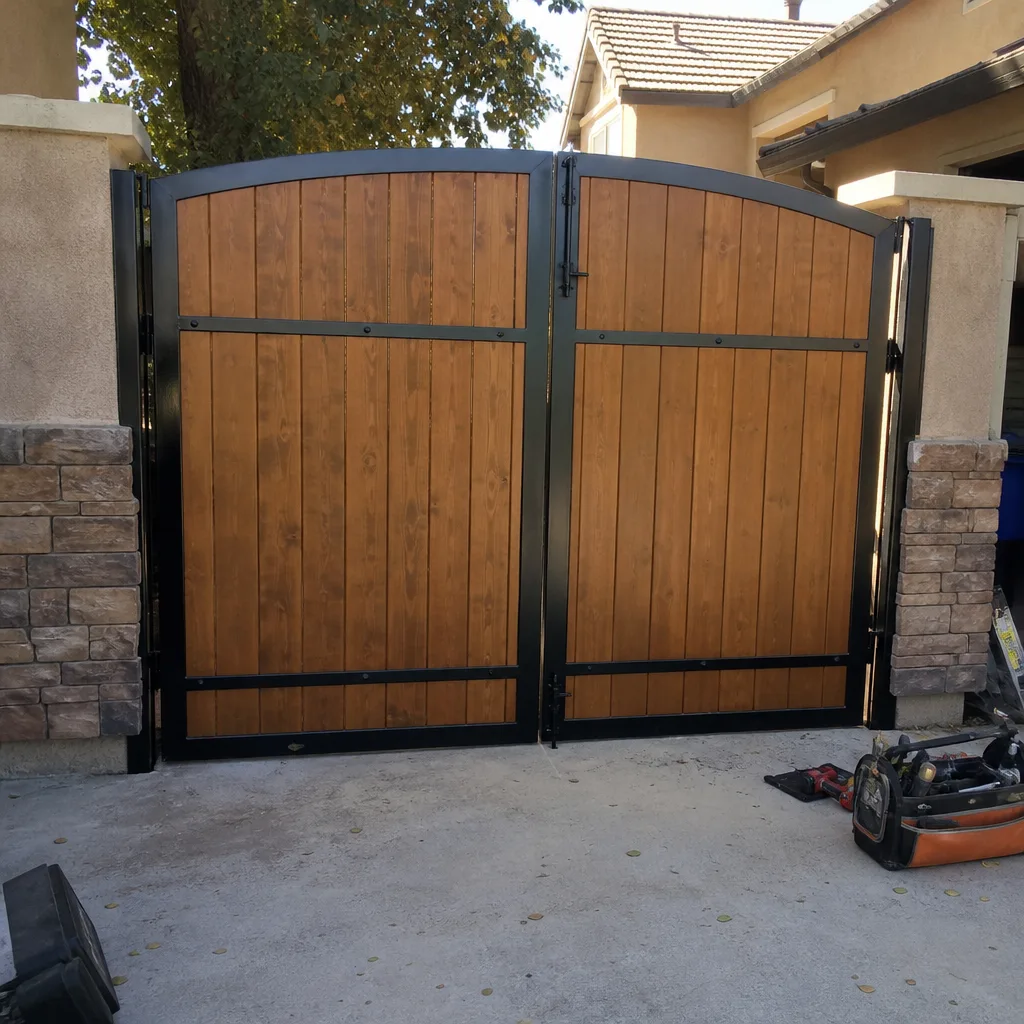 After
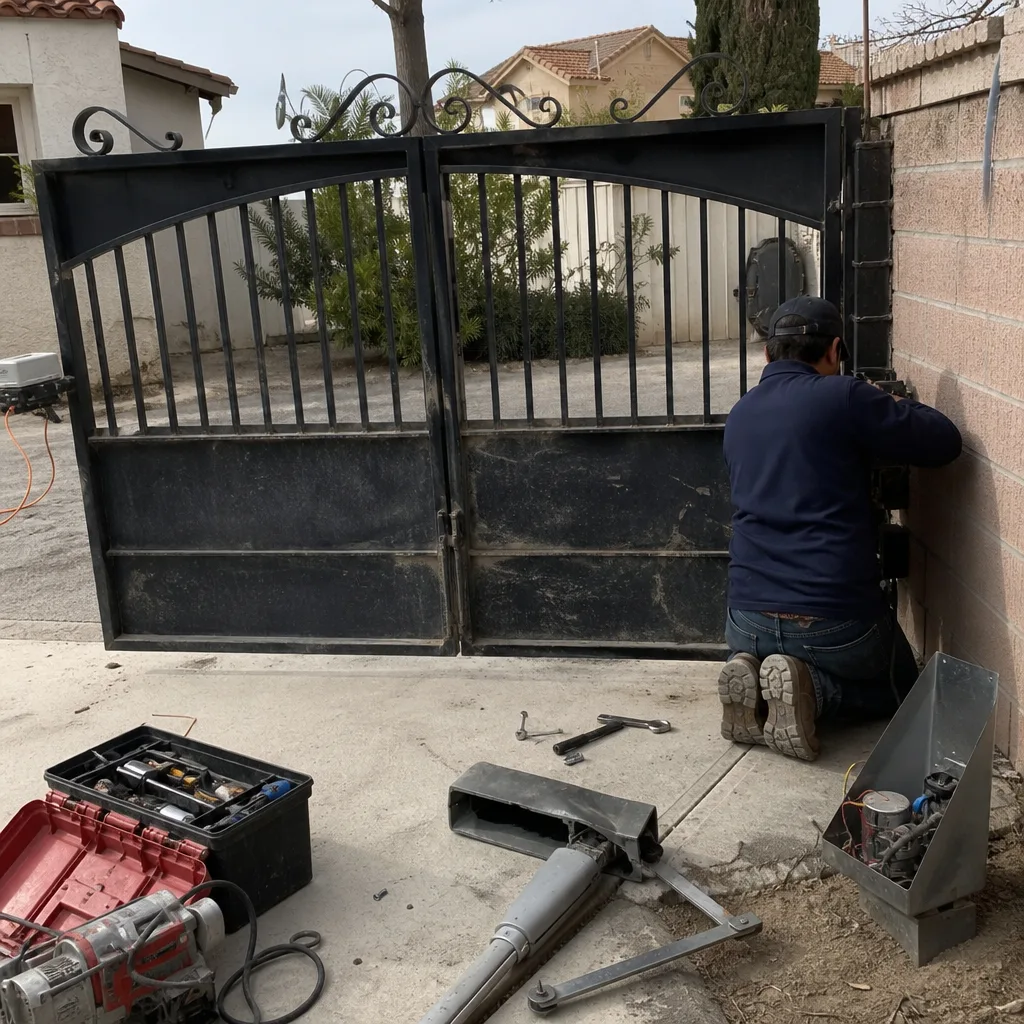 Before
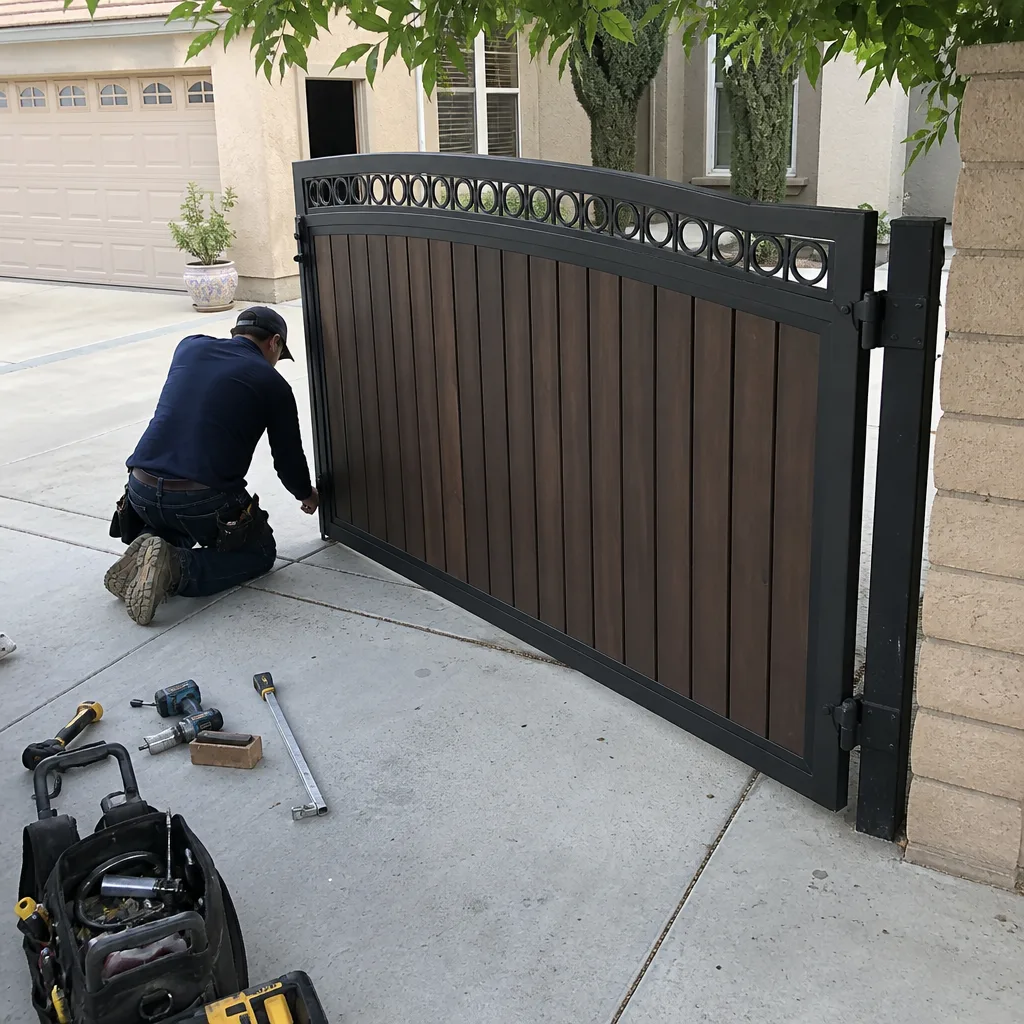 After